The Mitozz Blog


Understand the science behind cellular energy, mitochondrial health, recovery, and longevity.
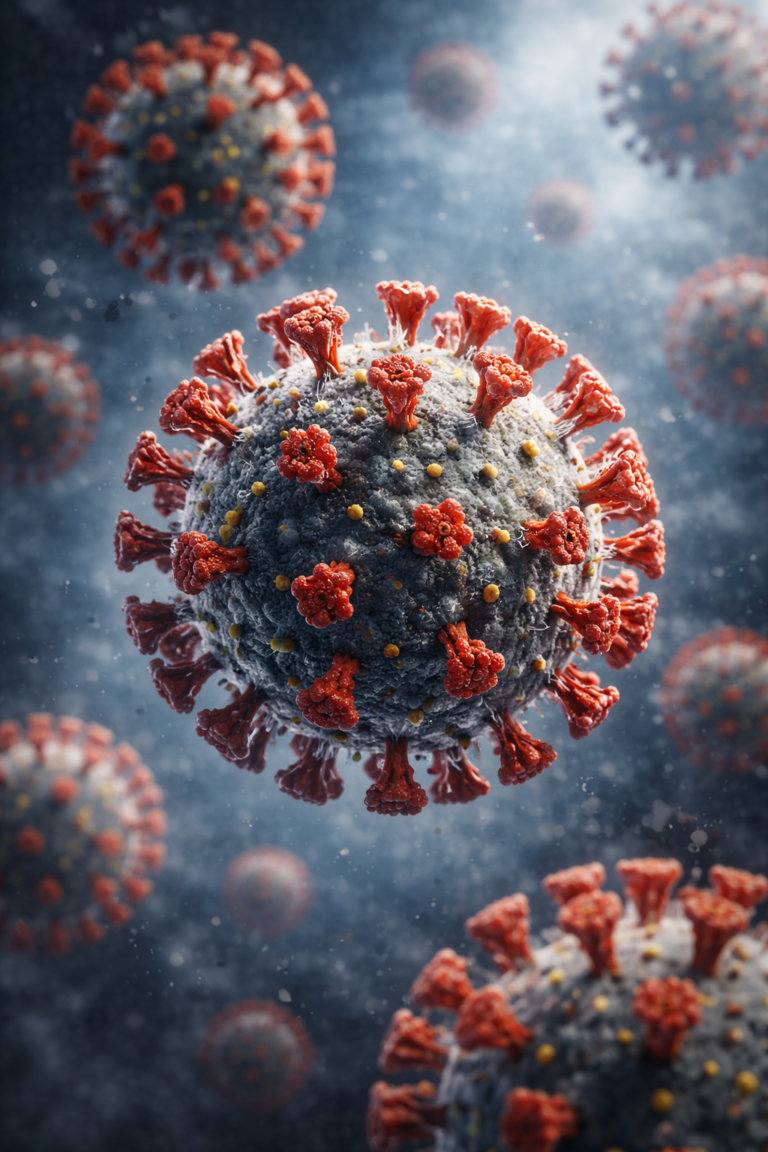

covid 19 coronavirus can cause long covid in some people

Can Epicatechin Help Long COVID Fatigue? New Clinical Trial on Inflammation and Cellular Energy

What biological mechanisms drive persistent long COVID fatigue? A new placebo-controlled clinical trial examined this question and tested whether epicatechin could influence them. Here’s what the data showed.
young woman thinking about heart health

4 Risk Factors for Heart Disease and How to Improve Them Through a Better Understanding of Cellular Energy

Heart disease risk is usually framed around factors like cholesterol or blood pressure, but many of these converge at a deeper level: cellular energy. The heart’s ability to function and adapt over time depends on how efficiently its cells produce and manage energy, shaping long-term cardiovascular health.

How to Repair and Maintain Mitochondrial Health Naturally

Mitochondria are the cellular engines that produce energy for nearly every biological process. This article explores evidence-based lifestyle strategies that support mitochondrial function and long-term cellular energy.
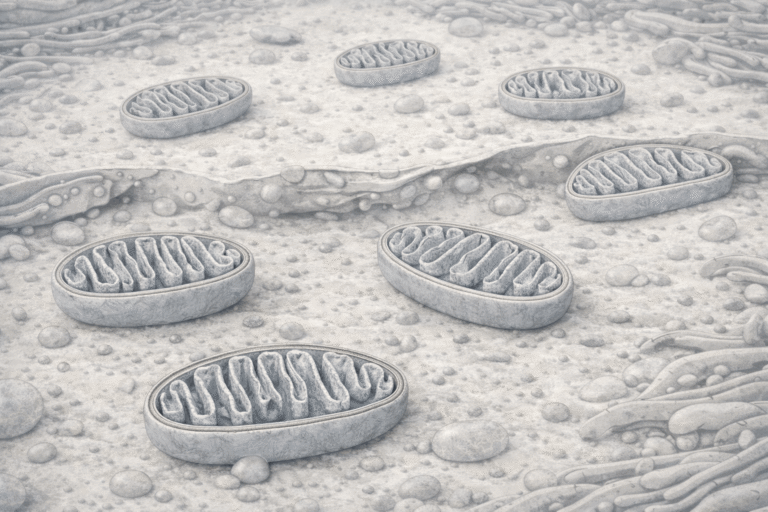
Cross-sectional view of a human cell interior showing multiple mitochondria embedded within the cytoplasm, with visible double membranes and folded cristae, surrounded by subtle cytosol texture, vesicles, and faint endoplasmic reticulum structures in muted, natural tones. sustained energy Mitozz Mani Agrawal

Why Long-Term Consistent Use Matters for Cellular Energy and Mitochondrial Health

Cellular energy isn’t something the body switches on overnight. Mitochondrial function improves through consistent support over time, as cells adapt, renew, and optimize how energy is produced. That’s why long-term, daily use matters because meaningful changes at the cellular level are built through repetition, not shortcuts.

How Does Mitochondrial Health Define Your Body? The Real Story of Energy from Within

We often hear that “food gives us energy,” but the truth is a little more complex and a lot more fascinating. The real powerhouses behind your energy are tiny structures inside your cells called mitochondria.