
Mitochondria, Oxidative Stress, and Uneven Skin Tone
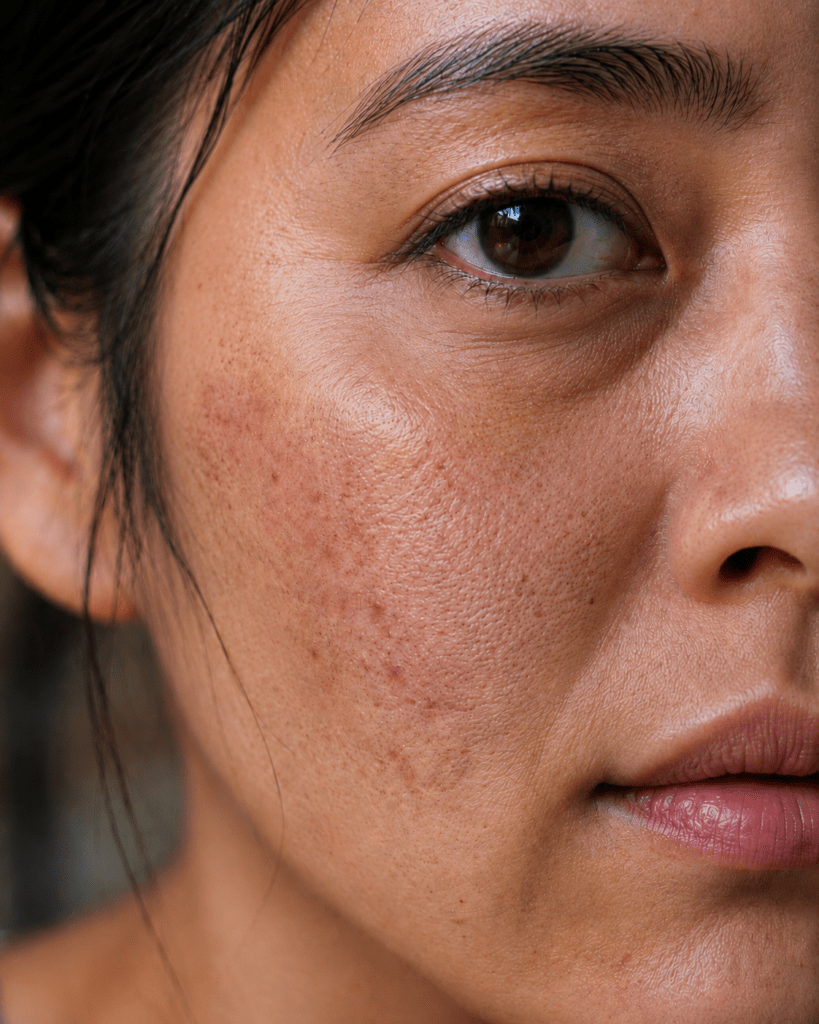
Uneven skin tone is not just a surface issue. This article explains how oxidative stress, mitochondria, UV exposure, and daily skin support fit together.
Mitochondria-Targeted Antioxidants and Neurodegeneration
Study Title: Mitochondria-Targeted Antioxidants, an Innovative Class of Antioxidant Compounds for Neurodegenerative Diseases: Perspectives and Limitations Citation: Fields et al., 2023 · International Journal of Molecular Sciences What the Study Found: This review explains how mitochondrial dysfunction and oxidative stress are common features across several neurodegenerative diseases, including Alzheimer’s disease, Parkinson’s disease, ALS, multiple sclerosis, and Huntington’s disease. It focuses on mitochondria-targeted antioxidants such as MitoQ, SkQ1, MitoVitE, and MitoTEMPO, describing how they are designed to accumulate inside mitochondria and counter oxidative stress more precisely than conventional antioxidants. The authors also discuss limitations, including delivery challenges, disease-stage timing, and the need for stronger clinical evidence. What this means in real life: Brain cells depend heavily on mitochondria because they need steady energy to support signaling, repair, and survival. This review supports the idea that protecting mitochondrial function and redox balance may be relevant to brain aging and neurodegenerative disease research, but it does not mean these compounds are proven treatments for people. Clinical Relevance: Mechanistic review, neurodegenerative disease biology and mitochondrial antioxidants, not direct clinical trial evidence. Related Content: