
Mitozz, (-)-Epicatechin and “Mitochondrial Support”
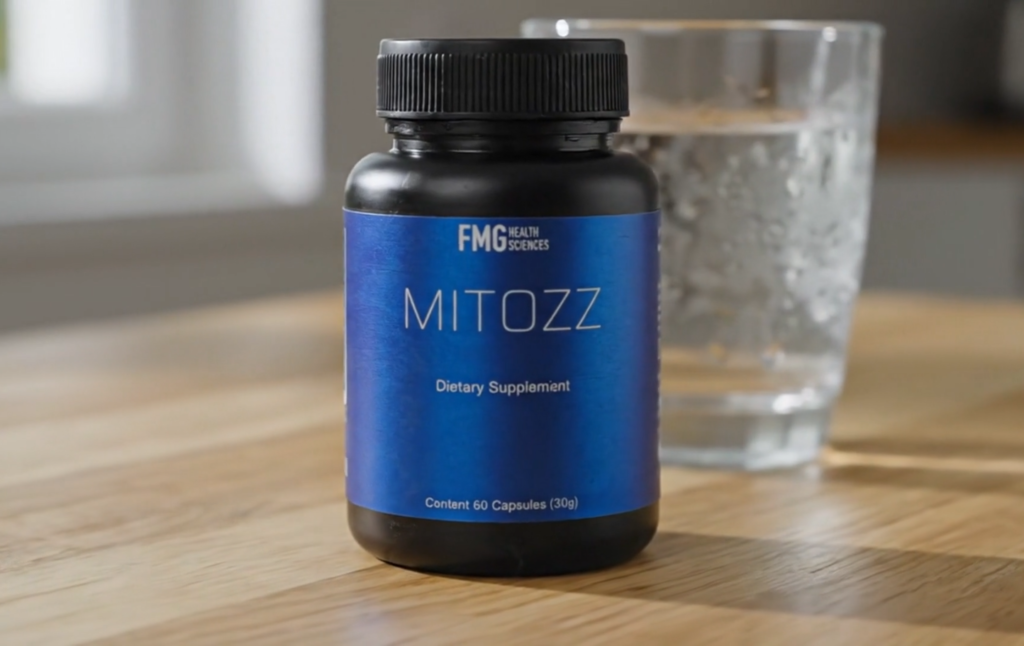
What does “mitochondrial support” actually mean—and is it the same as an energy boost? This article breaks down how (−)-epicatechin is discussed in research across blood flow, oxidative balance, mitochondrial signaling, and cellular quality control. It also explains why purity and standardization matter if you’re choosing an epicatechin supplement based on the studies.
8 Simple Everyday Habits That Help Keep Your Arteries Healthy

Simple daily habits play a powerful role in keeping your arteries flexible, responsive, and healthy. By supporting endothelial function, balancing blood pressure and blood sugar, improving sleep, managing stress, and moving consistently, you can reduce vascular strain and promote long-term cardiovascular resilience—without extreme diets or drastic interventions.
eNOS Activation and Nitric Oxide Signaling Pathways

This study found that (-)-epicatechin activates endothelial nitric oxide synthase and increases nitric oxide signaling in endothelial cells, helping define a plausible endothelial mechanism for vascular benefit.
Preeclampsia, Arginase, and Endothelial Protection
This study examined nitric oxide biology and arginase activity in plasma and endothelial cells from women with preeclampsia. It found altered L-arginine/NO signaling and showed that (-)-epicatechin reduced arginase and superoxide-related activity in HUVECs.
Endothelial Cell Aging Reversal and Vascular Function
This paper reports that (-)-epicatechin reversed several features of endothelial cell aging and improved vascular function, while also exploring the mechanisms behind those changes.