The Mitozz Blog


Understand the science behind cellular energy, mitochondrial health, recovery, and longevity.

Mitochondrial Dysfunction and Obesity: What’s the Connection?

Mitochondrial dysfunction may influence how efficiently the body produces and uses energy, but obesity is rarely caused by a single factor. This article explains the connection between mitochondrial health, metabolic flexibility, and weight regulation, while also exploring the roles of diet, lifestyle, and overall metabolic stress.
Muscular woman in gym attire holding her shoulder, close-up on arm and shoulder suggesting sore muscle. Mitozz, (-)-epicatechin

Muscle Recovery Has Phases: Immediate, 24–48 Hours, and Long-Term Adaptation

Muscle recovery isn’t just about “feeling less sore.” It happens in phases—from the first hours after training, to the next 24–48 hours of repair, to the long-term adaptations that make you stronger. This article breaks down what’s happening in each phase and where cellular energy support may fit into a smarter recovery strategy.
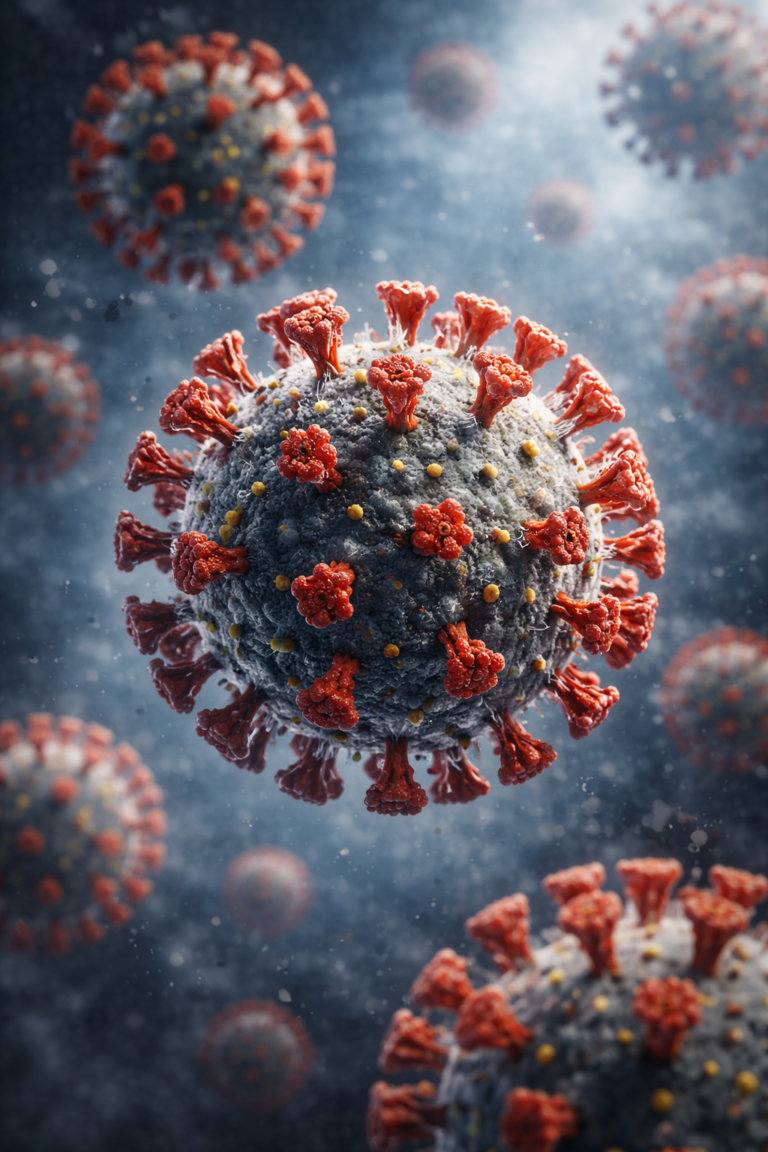
covid 19 coronavirus can cause long covid in some people

Can Epicatechin Help Long COVID Fatigue? New Clinical Trial on Inflammation and Cellular Energy

What biological mechanisms drive persistent long COVID fatigue? A new placebo-controlled clinical trial examined this question and tested whether epicatechin could influence them. Here’s what the data showed.

Mitozz: Wellness 1.1

Wellness has long focused on habits we can see and feel, but true vitality begins at a deeper level. This article explores how energy, resilience, and long-term health are shaped at the cellular level—where mitochondria convert nutrients into the energy that powers movement, cognition, repair, and recovery. By understanding how cellular energy is produced and protected, we gain a clearer framework for supporting daily performance, metabolic health, and healthy aging from the inside out.
Person receiving cancer treatment seated in a clinic, speaking with a healthcare professional during recovery with low mitochondrial health. Mitozz

Mitochondrial Health in Cancer Recovery: Why Cellular Energy Matters After Treatment

Cancer recovery isn’t just about finishing treatment, it’s about restoring energy and resilience. This article looks at mitochondrial health in cancer recovery, explaining the science in clear terms and focusing on what may realistically support healing over time.
Person writing concepts on a whiteboard while analyzing complex systems.

Cancer, Cellular Energy, and Mitochondria: Understanding the Biology Beneath the Surface

Cancer biology has helped deepen scientific understanding of cellular energy, metabolism, and mitochondrial function, offering insight into how energy regulation operates within complex biological systems.
medical professional taking blood pressure reading from patent

How High Blood Pressure Develops: A Systems-Level View of Hypertension

High blood pressure usually doesn’t have a single cause. It develops over time as multiple systems—such as the kidneys, blood vessels, hormones, and nervous system—gradually reset what the body considers normal. This slow, silent progression helps explain why hypertension is so common and often goes unnoticed for years.
Person walking outdoors in natural light, illustrating daily movement and habits that support heart and arterial health.

8 Simple Everyday Habits That Help Keep Your Arteries Healthy

Simple daily habits play a powerful role in keeping your arteries flexible, responsive, and healthy. By supporting endothelial function, balancing blood pressure and blood sugar, improving sleep, managing stress, and moving consistently, you can reduce vascular strain and promote long-term cardiovascular resilience—without extreme diets or drastic interventions.

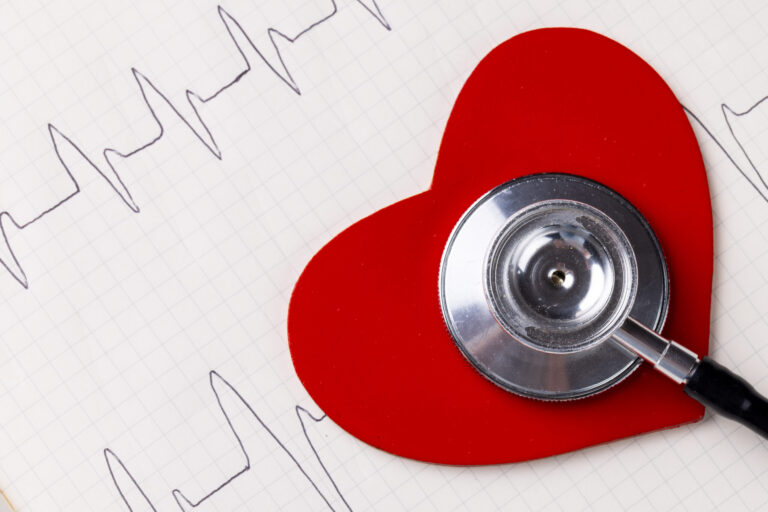
Heart health concept: stethoscope on a red heart with ECG tracing, suggesting cardiovascular workload and resilience.

7 Signs Your Heart Is Working Too Hard

Your heart is built to adapt but when everyday demands stay high for too long, it can start operating close to its limits. Subtle changes in breathing, stamina, swelling, and heart rhythm can be early clues that your cardiovascular “workload” is rising.
young woman thinking about heart health

4 Risk Factors for Heart Disease and How to Improve Them Through a Better Understanding of Cellular Energy

Heart disease risk is usually framed around factors like cholesterol or blood pressure, but many of these converge at a deeper level: cellular energy. The heart’s ability to function and adapt over time depends on how efficiently its cells produce and manage energy, shaping long-term cardiovascular health.