
Cellular Capacity and Happiness: Where Do Mitochondria Fit In

Could the foundation of happiness begin deeper than mood alone? This article looks at the connection between cellular capacity, mitochondrial energy, and the biological systems that help support motivation, resilience, and emotional balance.
Cellular Health and Stress Management: How to Protect Your Energy, Recovery, and Resilience

Chronic stress isn’t just “in your head.” It’s a whole-body biological signal that can reshape how cells allocate energy, repair damage, and maintain resilience over time. This article explains stress through a cellular health lens (mitochondria, inflammation, sleep/circadian timing, and recovery biology), then translates the science into practical stress-management levers that support long-term capacity.
Muscle Recovery Has Phases: Immediate, 24–48 Hours, and Long-Term Adaptation

Muscle recovery isn’t just about “feeling less sore.” It happens in phases—from the first hours after training, to the next 24–48 hours of repair, to the long-term adaptations that make you stronger. This article breaks down what’s happening in each phase and where cellular energy support may fit into a smarter recovery strategy.
Can Epicatechin Help Long COVID Fatigue? New Clinical Trial on Inflammation and Cellular Energy
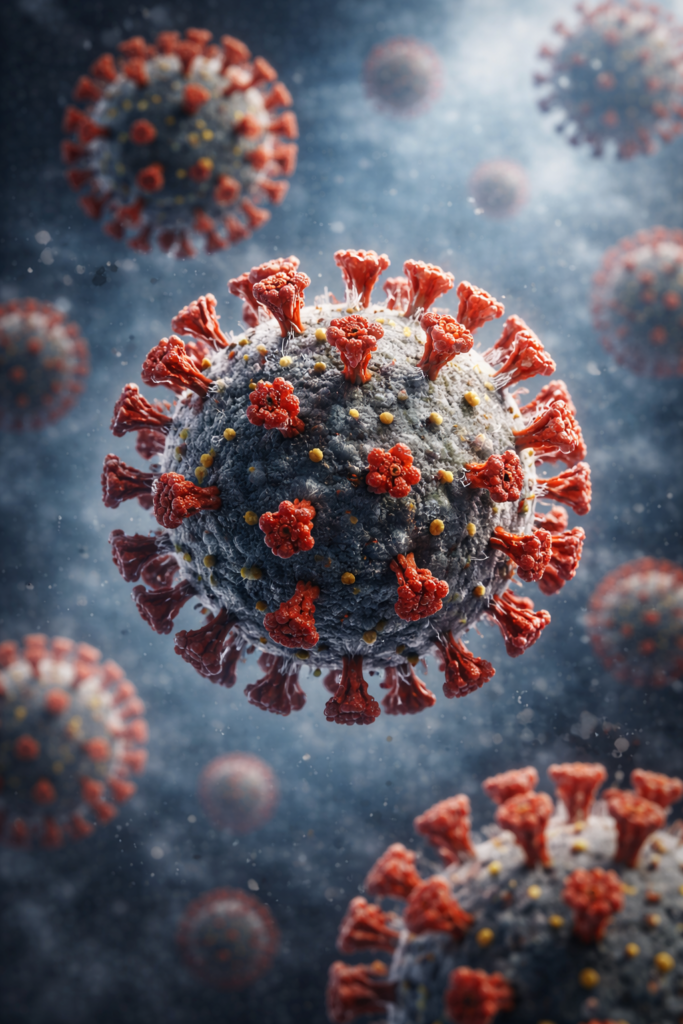
What biological mechanisms drive persistent long COVID fatigue? A new placebo-controlled clinical trial examined this question and tested whether epicatechin could influence them. Here’s what the data showed.
8 Simple Everyday Habits That Help Keep Your Arteries Healthy

Simple daily habits play a powerful role in keeping your arteries flexible, responsive, and healthy. By supporting endothelial function, balancing blood pressure and blood sugar, improving sleep, managing stress, and moving consistently, you can reduce vascular strain and promote long-term cardiovascular resilience—without extreme diets or drastic interventions.
High Flavonoid Cocoa Supplement Ameliorates Plasma Oxidative Stress and Inflammation Levels While Improving Mobility and Quality of Life in Older Subjects: A Double-Blind Randomized Clinical Trial
In older adults, regular high-flavonoid cocoa intake improved oxidative stress, inflammation, physical performance, and quality-of-life measures.