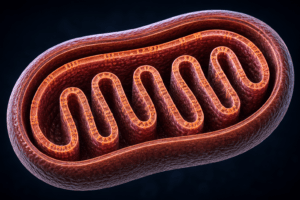

If energy truly is the currency of life, then mitochondria are the mint where that currency is made. Every heartbeat, thought, muscle contraction, and cellular repair process depends on these microscopic power plants converting nutrients and oxygen into ATP, the molecule that fuels nearly all biological work.
The good news is that mitochondrial health is not static. Mitochondria are dynamic, adaptable, and deeply responsive to how you live. Your daily habits can either signal them to grow stronger, cleaner, and more efficient, or to fragment, slow down, and leak damaging byproducts.
Below, we explore the most evidence-backed, natural strategies to repair existing mitochondria and maintain a healthy, resilient mitochondrial network over the long term.
1. Use Intensity to Build New Mitochondria
High-Intensity Interval Training (HIIT) is one of the most potent non-pharmaceutical tools for mitochondrial renewal. Short bursts of intense effort followed by recovery send a clear signal to your cells: energy demand is high, and more power plants are needed.

This triggers mitochondrial biogenesis, the creation of new mitochondria, through well-characterized cellular signaling pathways. Even brief sessions, performed a few times per week, can increase mitochondrial density and efficiency, particularly in muscle and cardiovascular tissue.
Importantly, intensity matters more than duration. You are not trying to burn calories; you are training your cells to produce energy more effectively.
2. Protect Mitochondria During Sleep
Sleep is not passive rest. It is a highly active repair window, particularly for the brain.

During deep sleep, the brain’s glymphatic system increases clearance of metabolic waste products that accumulate during waking hours. Many of these byproducts generate oxidative stress, which can damage mitochondrial DNA and proteins if not removed.
Consistently getting 7–9 hours of high-quality sleep helps preserve mitochondrial integrity, supports hormonal balance, and keeps energy production efficient the next day.
3. Remove the Metabolic Noise
Ultra-processed foods, especially those high in refined sugars and industrial seed oils, flood mitochondria with substrates they are not designed to handle continuously.

This overload increases electron leakage, oxidative stress, and inflammatory signaling, reducing metabolic flexibility over time. Instead of switching smoothly between fuel sources, mitochondria become rigid and inefficient.
Reducing ultra-processed foods simplifies the mitochondrial workload and helps to restore metabolic adaptability.
Beyond food, lifestyle exposures such as alcohol and tobacco (or vaping) add to this metabolic load. Alcohol metabolism places a direct burden on mitochondria and increases oxidative stress, while smoking introduces compounds that impair cellular respiration and inflammatory balance.
4. Give Your Cells Time Without Food
Intermittent fasting works not because of deprivation, but because of timing. When the body is not constantly processing incoming calories, it can redirect resources toward repair.

One of the key processes activated during fasting is mitophagy, the selective recycling of damaged or dysfunctional mitochondria. Think of it as cellular quality control. Old, inefficient mitochondria are broken down, their components reused, and space is made for healthier replacements.
Whether through time-restricted eating or occasional longer fasts, metabolic rest is a powerful signal for mitochondrial cleanup.
A practical and science-based resource we recommend for learning more about fasting is the YouTube channel of Dr. Jason Fung, where he explains metabolic health, insulin regulation, and fasting in a clear, accessible way.
5. Feed the Mitochondrial Membrane
Mitochondria are not just chemical factories; they are physical structures. Their membranes must remain flexible and intact for energy production to run smoothly.

Omega-3 fatty acids, found in fatty fish, flaxseeds, and walnuts, are incorporated directly into mitochondrial membranes. This improves membrane fluidity, supports electron transport efficiency, and reduces inflammatory signaling that can impair mitochondrial function.
In contrast, excess refined seed oils and trans fats tend to stiffen membranes and increase oxidative stress. Quality fats matter.
6. Do Not Underestimate Magnesium
Magnesium is a quiet bottleneck in energy metabolism. ATP, the end product of mitochondrial energy production, is biologically active only when bound to magnesium.

Without adequate magnesium, mitochondria may produce ATP on paper, but cells cannot use it efficiently. This is why low magnesium status is often associated with fatigue, muscle cramps, and poor stress tolerance.
Modern diets and chronic stress both deplete magnesium. Ensuring sufficient intake through whole foods, and, when appropriate, supplementation, removes a major constraint on mitochondrial performance.
7. Use Color as a Biological Signal
Plants evolved pigments to protect themselves from environmental stress. When we consume those pigments, polyphenols found in berries, leafy greens, and colorful vegetables, we borrow some of that protective chemistry.

Compounds like resveratrol and quercetin help neutralize free radicals before they can damage mitochondrial membranes and DNA. They also activate cellular defense pathways that enhance mitochondrial resilience.
A “rainbow” plate is not just visually appealing; it is a direct investment in cellular longevity.
8. Stress Your Cells – Strategically
Not all stress is harmful. Brief, controlled stress can make mitochondria stronger.

Exposure to cold (such as cold showers) or heat (such as saunas) activates hormetic stress pathways. These pathways increase the production of heat shock proteins and other repair molecules that stabilize mitochondrial structure and improve function.
The key is dose. Short, intentional exposures build resilience. Chronic, uncontrolled stress does the opposite.
9. Let Light Reach Your Cells
Natural sunlight does more than regulate circadian rhythm. Near-infrared wavelengths in sunlight can penetrate skin and tissue, directly interacting with components of the mitochondrial electron transport chain.

This interaction appears to enhance electron flow and ATP production while reducing oxidative stress. Safe, regular sunlight exposure is a low-tech, high-impact mitochondrial support strategy that modern indoor lifestyles often lack.
10. Calm the System to Enable Repair
Chronic psychological stress keeps cortisol elevated. Over time, this hormonal environment promotes mitochondrial fragmentation, a breakdown of the interconnected mitochondrial network into less efficient units.

Relaxation practices such as meditation, controlled breathing, and mindful movement shift the body from a threat state into a repair state. In that environment, mitochondria can fuse, share resources, and function more efficiently.
Energy production improves not by forcing output, but by restoring balance.
11. Support Mitochondrial Signaling with (-)-Epicatechin
(-)-Epicatechin is a naturally occurring flavanol found in cacao and certain plants that supports mitochondrial health at the signaling level. Research has shown that it helps maintain healthy nitric oxide availability, which is essential for efficient blood flow, oxygen delivery, and mitochondrial function.

This compound has also been associated with pathways involved in mitochondrial biogenesis and cellular adaptation, many of the same pathways activated by exercise and fasting. For this reason, (-)-epicatechin is often described as exercise-mimetic: not a replacement for movement, but a biological amplifier of the signals that encourage mitochondrial renewal.
Additionally, (-)-epicatechin supports redox balance, helping limit excessive oxidative stress while preserving the low-level signaling that mitochondria need to adapt and improve. Used alongside training, proper nutrition, sleep, and stress management, it can complement a mitochondria-first lifestyle by reinforcing the body’s natural energy-building processes.
If you’re interested in learning about mitochondrial support supplements but don’t know how to choose, our Mitochondrial Health Supplements Comparison 2026 breaks down the most common supplements side by side, what they are meant to do, the strength of human evidence, and practical trade-offs.
The Takeaway
Mitochondrial health is not about one supplement or one workout. It is about consistent signaling.
Every habit you practice tells your cells whether energy is scarce or abundant, whether repair is safe or postponed, whether efficiency is rewarded or ignored.
When those signals are aligned, through movement, nutrition, rest, light, and stress management, mitochondria respond by becoming cleaner, stronger, and more capable.
And when mitochondria thrive, you thrive!

Share this blog article
Understanding mitochondrial health is a long-term process. That’s why we created the Mitozz Newsletter: a free way to keep learning about cellular energy, mitochondrial health, and the lifestyle signals that support your body over time. You’ll receive science-based educational content, practical guidance, and updates from Mitozz, all at your own pace.
Sign up for the Mitozz Newsletter
Get science-based education on mitochondrial health, cellular energy, and lifestyle signals that support your body over time.
Medical Disclaimer: The information provided in this article is for educational and informational purposes only and is not intended as medical advice. It is not a substitute for professional medical diagnosis, treatment, or guidance. Always consult with a qualified healthcare professional before making changes to your diet, exercise routine, fasting practices, or supplement use, especially if you have a medical condition, are pregnant or nursing, or are taking medications.
FDA Disclaimer: These statements have not been evaluated by the Food and Drug Administration. They are not not intended to diagnose, treat, cure, or prevent any disease.