
How to Improve Memory Through Mitochondrial Health

Memory isn’t just “brainpower.” It’s an energy-intensive biological process. Every time you learn something new or try to recall a detail, your neurons have to fire rapidly and strengthen connections on the fly. That constant work depends on reliable ATP supply and good cellular stress control—two areas where mitochondria play a central role. In this article, we’ll unpack what you can do to support memory by supporting your mitochondria.
Perimenopause and Mitochondria: Why Energy Shifts in Midlife

Perimenopause and mitochondria are more connected than many women realize. As hormone signaling shifts in midlife, changes in cellular energy, stress resilience, sleep, and recovery can become more noticeable. This article explores why energy may feel different during perimenopause and how practical lifestyle habits—along with thoughtful mitochondrial support like Mitozz—may help support whole-body capacity.
Mitochondrial Dysfunction and Obesity: What’s the Connection?

Mitochondrial dysfunction may influence how efficiently the body produces and uses energy, but obesity is rarely caused by a single factor. This article explains the connection between mitochondrial health, metabolic flexibility, and weight regulation, while also exploring the roles of diet, lifestyle, and overall metabolic stress.
Muscle Recovery Has Phases: Immediate, 24–48 Hours, and Long-Term Adaptation

Muscle recovery isn’t just about “feeling less sore.” It happens in phases—from the first hours after training, to the next 24–48 hours of repair, to the long-term adaptations that make you stronger. This article breaks down what’s happening in each phase and where cellular energy support may fit into a smarter recovery strategy.
Rare Neuromuscular Diseases and Muscle Atrophy: A Mitochondrial Lens

A mitochondrial health lens can help explain why different rare diseases converge on similar muscle-wasting patterns—reduced energy capacity, impaired cellular cleanup, and slower recovery from stress. This framing helps explain why mitochondrial-supportive strategies can serve as valuable as adjuncts to standard care.
Mitozz Testimonial Collage

What do people actually notice when they start Mitozz? They talk about steadier energy, clearer focus, easier movement, and a calmer body feel. This testimonial collage highlights the most common “first changes” people report with Mitozz and explains the physiology behind them.
Mitozz, (-)-Epicatechin and “Mitochondrial Support”
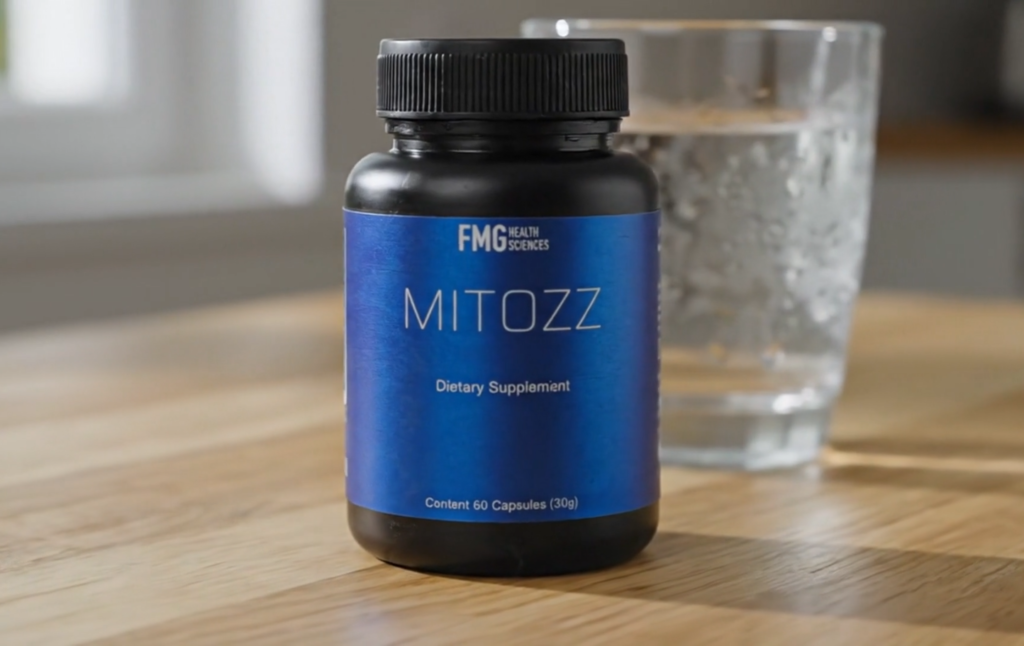
What does “mitochondrial support” actually mean—and is it the same as an energy boost? This article breaks down how (−)-epicatechin is discussed in research across blood flow, oxidative balance, mitochondrial signaling, and cellular quality control. It also explains why purity and standardization matter if you’re choosing an epicatechin supplement based on the studies.
Can Epicatechin Help Long COVID Fatigue? New Clinical Trial on Inflammation and Cellular Energy
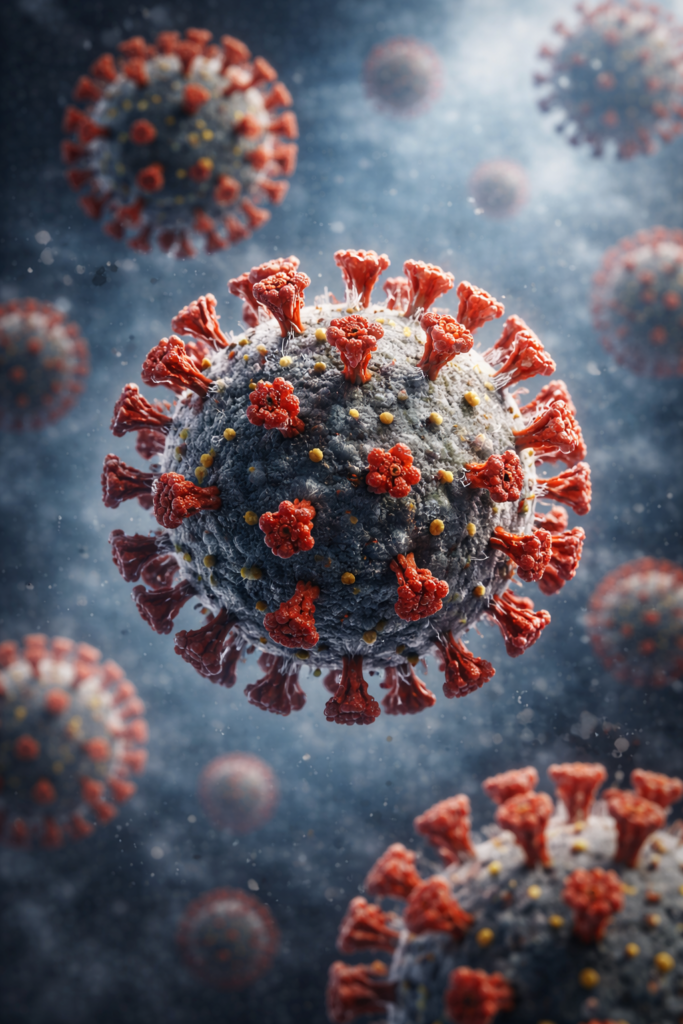
What biological mechanisms drive persistent long COVID fatigue? A new placebo-controlled clinical trial examined this question and tested whether epicatechin could influence them. Here’s what the data showed.
The Team Behind Mitozz: Science, Leadership, and the Biology of Cellular Energy

Meet the executive and scientific leaders behind Mitozz, and learn how a commitment to scientific rigor and responsible leadership guides its approach to mitochondrial health and cellular energy.
Mitozz: Wellness 1.1

Wellness has long focused on habits we can see and feel, but true vitality begins at a deeper level. This article explores how energy, resilience, and long-term health are shaped at the cellular level—where mitochondria convert nutrients into the energy that powers movement, cognition, repair, and recovery. By understanding how cellular energy is produced and protected, we gain a clearer framework for supporting daily performance, metabolic health, and healthy aging from the inside out.