
PCOS and Cellular Energy: The Biology Behind the Symptoms

PCOS is a whole-body condition. Explore how metabolic signaling, ovarian hormones, oxidative stress, and cellular energy biology intersect, and what supports resilience over time.
How to Increase Mitochondria for Running

Two runners can hold the same pace, yet one stays smooth while the other is burning out by mile three. The difference often comes down to mitochondrial capacity. In this article, we break down the most practical, science-aligned ways to build that capacity with smarter easy mileage, targeted intensity, recovery, and where Mitozz can fit as complementary support.
Mitochondrial Health and Fatty Liver
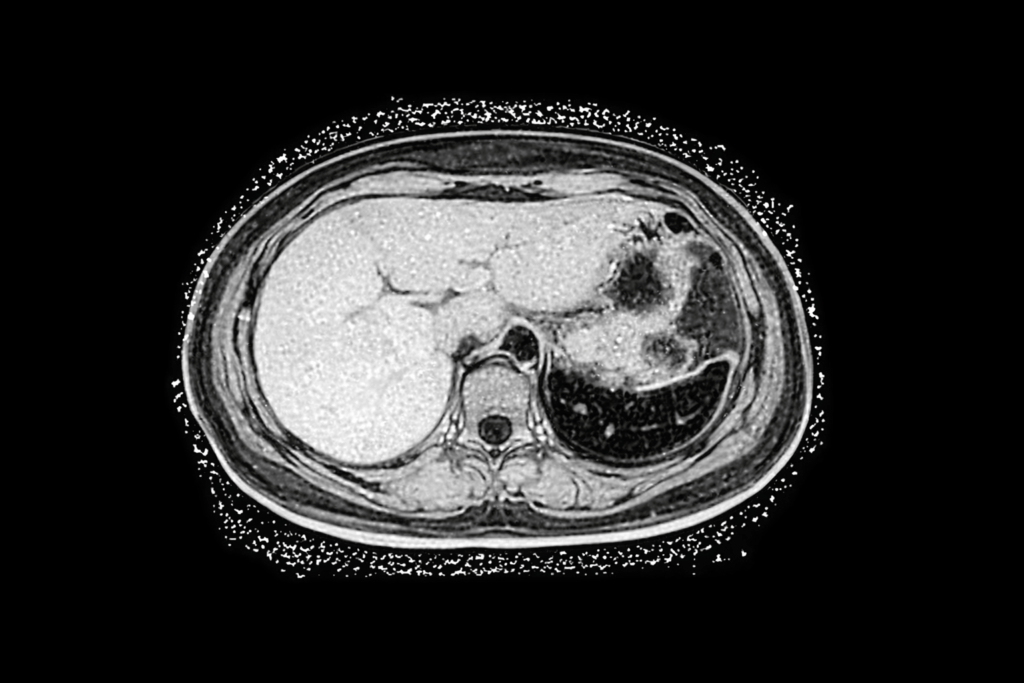
Fatty liver is often framed as a problem caused by excess calories but the deeper story involves mitochondrial function, energy handling, and metabolic stress. This article explains how mitochondrial health shapes liver resilience, and what practical steps support long-term metabolic stability.
Supporting Mitochondrial Health: Why Mitozz Is the Best Supplement for Lasting Energy, Biogenesis & Vitality in 2026

Want better energy and recovery but confused by all the supplement options? This head-to-head comparison breaks down what each one is best for and why Mitozz stands out for mitochondrial biogenesis support.
Doctors’ Day and the Emerging Shift Toward Resilience

In honor of U.S. Doctors’ Day, we explore a prevention-focused theme gaining attention in health science: mitochondrial health. Discover how mitochondria support energy and recovery, and what lifestyle fundamentals can help maintain function with age.
Women’s Metabolism, Why It’s Not the Same Every Day

Female metabolism is not static. Hormonal shifts across the menstrual cycle can influence energy needs, cravings, and metabolic patterns, helping explain why your baseline does not feel the same every day. This article breaks down what changes across the month and how to make more sense of it.
Women’s Metabolic Health: Hormones, Energy, and Resilience

Women’s metabolism changes across life stages. Here’s how hormones, mitochondria, pregnancy, sleep, and menopause interact and what supports metabolic resilience over time.
Cellular Capacity and Happiness: Where Do Mitochondria Fit In

Could the foundation of happiness begin deeper than mood alone? This article looks at the connection between cellular capacity, mitochondrial energy, and the biological systems that help support motivation, resilience, and emotional balance.
Cellular Health and Stress Management: How to Protect Your Energy, Recovery, and Resilience

Chronic stress isn’t just “in your head.” It’s a whole-body biological signal that can reshape how cells allocate energy, repair damage, and maintain resilience over time. This article explains stress through a cellular health lens (mitochondria, inflammation, sleep/circadian timing, and recovery biology), then translates the science into practical stress-management levers that support long-term capacity.
Maintain Healthy Kidneys Through Mitochondrial Health

Your kidneys run on cellular energy. Explore how mitochondria power filtration, why mitochondrial stress can drive kidney vulnerability, and practical habits that support long-term renal resilience.