Key takeaways
- Perimenopause can change how energy, sleep, mood, and recovery feel in daily life.
- Hormonal shifts are the main driver but broader systems involved in adaptation also matter.
- Mitochondrial health can be a useful framework for understanding these changes.
- The goal is not a single fix but habits that support energy, resilience, and recovery.
- Mitozz is formulated to support mitochondrial health and can be used to support cellular energy during this stage of life.
Prefer a deeper walkthrough? This recorded webinar explains how perimenopause and menopause involve more than hormone changes, including shifts in vascular function, cellular energy, mitochondrial health, sleep, thermoregulation, and everyday resilience.
Now let’s look more closely at why energy can shift during midlife.
On International Woman’s Day 2026, Mitozz is celebrating women and the many ways women carry families, communities, and workplaces forward. We also support women by shining a light on better health literacy for the challenges women navigate, in particular, perimenopause and menopause.
If you’re woman in your 40s or beyond and you’ve thought, Why does life suddenly feel harder to maintain even though nothing substantial has changed? you are not alone. Many women notice changes in energy, recovery, sleep, body composition, stress tolerance, and resilience during perimenopause and menopause.
Hormones are the main reason this transition happens. But they are not the whole story.
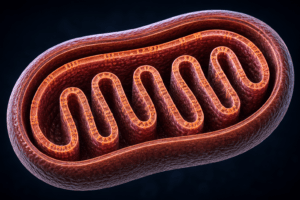
One useful way to understand these changes is through the lens of mitochondrial health, not as the root cause of menopause, but as part of the body’s “capacity engine” that helps tissues produce energy, adapt to stress, and recover. If mitochondria aren’t functioning at peak performance, you will feel the effects in all your body.
Why midlife can suddenly feel different
One of the most frustrating parts of perimenopause is that the same routines may no longer seem to work the way they used to. You may be eating similarly, exercising similarly, and still feel more tired, less resilient, or slower to recover.
That does not mean your body is “failing.” It means the system is working under different conditions.
During perimenopause and menopause, many women experience:
- fluctuating or declining hormone signaling
- more disrupted sleep
- shifts in body composition and metabolic flexibility
- increased sensitivity to stress
- changes in mood, recovery, and daily energy
These changes can overlap and compound one another. That is why symptoms often feel whole-body, not isolated.
What mitochondria do beyond “energy”
Mitochondria are often described as the parts of the cell that make ATP, the cell’s main energy currency. That is true but it is only part of the picture.
Mitochondria also help support:
- redox and oxidative balance
- calcium handling
- stress signaling
- metabolic flexibility
- cellular repair and quality control
In other words, they do not just help power the body. They help the body adapt.
When hormones change, sleep disruption, stress load, and age-related shifts all converge, the body may feel as though it has less reserve. As a result, the “buffer” you mitochondria give you, your ability to handle demands and bounce back, can shrink.
Why mitochondrial function can matter in perimenopause
Mitochondrial changes do not cause menopause. Menopause is primarily driven by ovarian aging and the decline in reproductive hormone production.
But mitochondria still matter in how this transition is experienced.
Estrogen interacts with multiple pathways involved in mitochondrial regulation, antioxidant defenses, and metabolic function. As estrogen signaling changes across perimenopause and menopause, some tissues may receive less of the signaling support that helps maintain metabolic flexibility and cellular resilience.
That does not mean that symptoms mitochondrial in origin. It means mitochondrial function may be one part of the reason why the body can feel more sensitive to disrupted sleep, stress, training load, and metabolic strain during this stage.
This helps explain why so many women feel less buffered, even when nothing looks dramatically different from the outside.
Muscle, metabolism, and insulin sensitivity
Midlife changes are not just about hormones in isolation. They also affect the systems that help regulate body composition, blood sugar, and physical function.
Skeletal muscle is especially important because it plays a major role in glucose disposal and metabolic health. If sleep worsens, stress rises, activity declines, and muscle mass drops over time, many women may notice:
- more energy dips
- harder recovery after exercise
- changes in body composition
- reduced metabolic flexibility
This is one reason strength training, protein intake, and regular movement become even more important in midlife. These are not cosmetic tools. They are capacity-building tools.
Why this can feel like “reduced reserve”
During perimenopause, many women do not just feel more tired. They also feel like small disruptions affect them more strongly than before.
Maybe you can tolerate poor sleep to a lesser degree than before. Maybe stress hits harder. Maybe skipping meals, overtraining, or eating inconsistently affects you more than it used to.
That is often what women mean when they say, “My body just feels different now.”
A helpful way to think about it is that the body may still function well but it may have less room to compensate. When multiple systems are under more pressure at once, you feel it sooner.
What the science suggests
What we can say with reasonable confidence is:
- Perimenopause and menopause are real physiological transitions that can affect energy, sleep, mood, and metabolic health.
- Hormone changes are the primary driver.
- Mitochondrial function may help explain part of the shift in resilience, stress tolerance, and recovery.
- Lifestyle foundations remain the most evidence-aligned way to support whole-body function during this stage.
- Supporting mitochondrial function may be one meaningful part for supporting how the body adapts during this transition.
Practical habits that support baseline capacity
The goal is not perfection. The goal is to rebuild and protect baseline capacity through consistent habits that support energy, recovery, and resilience.
1) Build aerobic fitness
Moderate aerobic activity can help support energy regulation, stress resilience, and day-to-day endurance during midlife.
What this can look like: walking, cycling, or steady movement done consistently.
2) Protect muscle with strength training
Muscle becomes increasingly important in midlife because it supports glucose control, metabolic health, and physical resilience.
What this can look like: two to three sessions of resistance training per week built around consistency, not intensity.
3) Support metabolic stability
A nutrient-dense diet with minimally processed foods can help support steadier energy and better metabolic balance.
What this can look like: regular meals built around protein, fiber, and whole food choices.
4) Prioritize sleep and recovery
Sleep disruption is common in perimenopause and can affect mood, recovery, and metabolic function.
What this can look like: a regular sleep schedule, reduced evening overstimulation.
Additional reading: For a deeper, evidence-based overview of sleep problems during menopause and practical ways to manage them, see the National Institute on Aging’s guide on sleep and menopause.
These habits do not “fix” perimenopause, but they can help support the systems that influence how the body adapts during this stage of life.
Where Mitozz can fit in
Mitozz is a dietary supplement formulated with (-)-epicatechin, a compound studied for its role in supporting mitochondrial function and cellular energy. In the context of midlife changes, that matters because mitochondria help regulate the body’s ability to produce energy, adapt to stress, and recover from daily demands.

Mitozz can be used as a supplement to the basics, sleep, exercise, and nutrition do most of the heavy lifting in midlife health. For women navigating perimenopause or menopause, this makes Mitozz a practical adjunct to a broader strategy focused on energy, recovery, and adaptation.
Take a deeper dive into how to support, repair, and maintain mitochondrial health in our full article here.
Conclusion
Mitochondria are a helpful framework because they shape “capacity” and capacity can influence how women experience and navigate real-world challenges, including perimenopause and menopause.
Share this blog article
Explore the Mitozz Blog for clear, science-literate articles that help you make smarter choices about metabolic health, training, sleep, and daily energy. Browse by Topic: Start Here, Cellular Energy, Lifestyle & Recovery, Longevity & Aging, Mitochondrial Science, Mitochondrial Support & Maintenance, News & Updates, Nutrition & Compounds, Real Life & Community.
Understanding mitochondrial health is a long-term process. That’s why we created the Mitozz Newsletter: a free way to keep learning about cellular energy, mitochondrial health, and the lifestyle signals that support your body over time. You’ll receive science-based educational content, practical guidance, and updates from Mitozz, all at your own pace.
Sign up for the Mitozz Newsletter
Get science-based education on mitochondrial health, cellular energy, and lifestyle signals that support your body over time.
Medical Disclaimer: The information provided in this article is for educational and informational purposes only and is not intended as medical advice. It is not a substitute for professional medical diagnosis, treatment, or guidance. Always consult with a qualified healthcare professional before making changes to your diet, exercise routine, fasting practices, or supplement use, especially if you have a medical condition, are pregnant or nursing, or are taking medications.
FDA Disclaimer: These statements have not been evaluated by the Food and Drug Administration. They are not not intended to diagnose, treat, cure, or prevent any disease.