
Mitozz Testimonial Collage

What do people actually notice when they start Mitozz? They talk about steadier energy, clearer focus, easier movement, and a calmer body feel. This testimonial collage highlights the most common “first changes” people report with Mitozz and explains the physiology behind them.
Can Epicatechin Help Long COVID Fatigue? New Clinical Trial on Inflammation and Cellular Energy
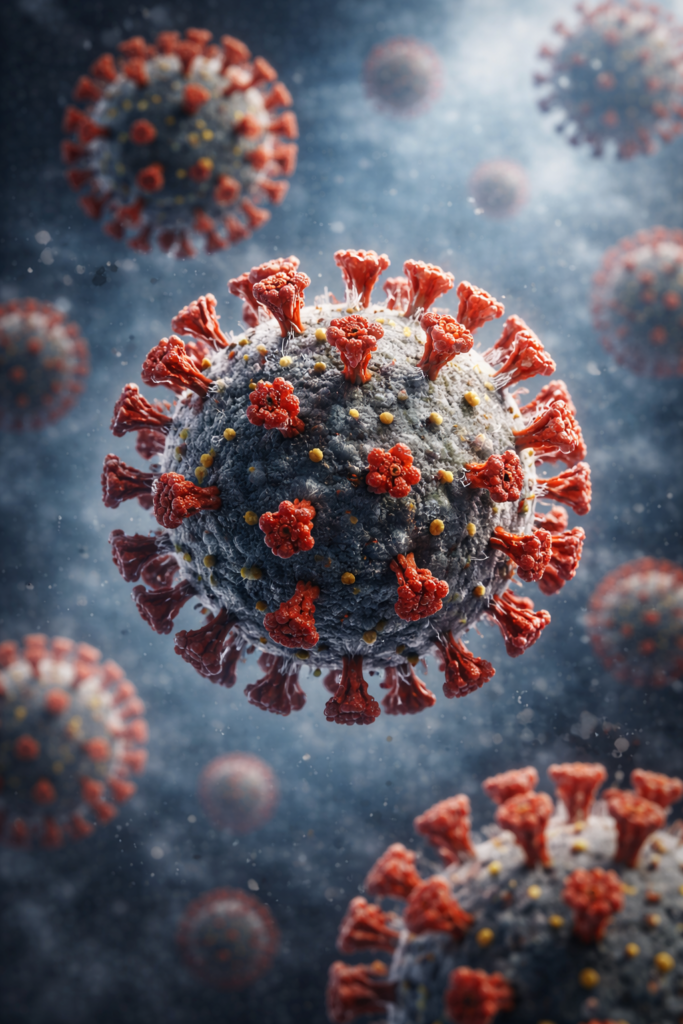
What biological mechanisms drive persistent long COVID fatigue? A new placebo-controlled clinical trial examined this question and tested whether epicatechin could influence them. Here’s what the data showed.
ダークチョコレート、エピカテキン、そして細胞エネルギー
チョコレートはその風味で親しまれていますが、カカオに関する研究は、それ以上の深遠な側面を明らかにしています。エピカテキンが、細胞のエネルギー産生と管理を支える役割について、どのように研究されてきたのかをご紹介します。
(−)-Epicatechin reduces muscle waste after complete spinal cord transection in a murine model: role of ubiquitin–proteasome system
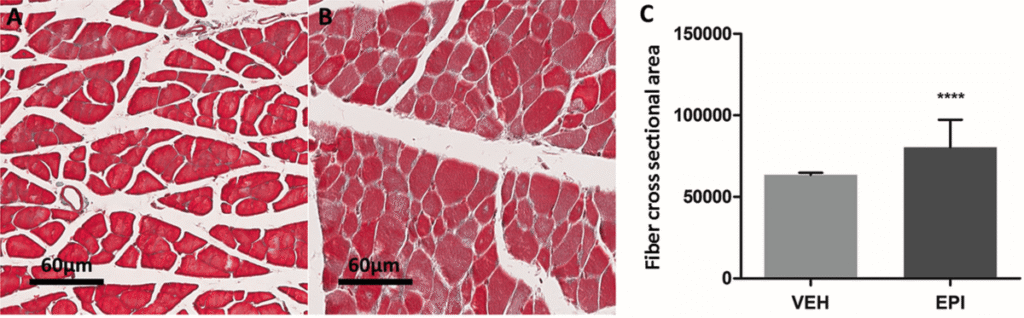
The skeletal muscle mass reduces 30–60% after spinal cord injury, this is mostly due to protein degradation through ubiquitin–proteasome system. In this work, we propose that the flavanol (−)-epicatechin, due its widespread biological effects on muscle health, can prevent muscle mass decrease after spinal cord injury. Thirty-six female Long Evans rats were randomized into 5 groups: (1) Spinal cord injury 7 days, (2) Spinal cord injury + (−)-epicatechin 7 days, (3) Spinal cord injury 30 days, (4) Spinal cord injury + (−)-epicatechin 30 days and (5) Sham (Only laminectomy). Hind limb perimeter, muscle cross section area, fiber cross section area and ubiquitin–proteasome system protein expression together with total protein ubiquitination were assessed. At 30 days Spinal cord injury group lost 49.52 ± 2.023% of muscle cross section area (−)-epicatechin treated group lost only 24.28 ± 15.45% being a significant difference. Ubiquitin–proteasome markers showed significant changes. FOXO1a increased in spinal cord injury group vs Sham (−)-epicatechin reduced this increase. In spinal cord injury group MAFbx increased significantly vs Sham but decrease in (−)-epicatechin treatment group at 30 days. At 7 and 30 days MuRF1 increased in the spinal cord injury and decreased in the (−)-epicatechin group. The global protein ubiquitination increases after spinal cord injury, epicatechin treatment induce a significant decrease in protein ubiquitination. These results suggest that (−)-epicatechin reduces the muscle waste after spinal cord injury through down regulation of the ubiquitin–proteasome system.
トリプルネガティブ乳がんモデルにおける(−)-エピカテキンの抗がん作用
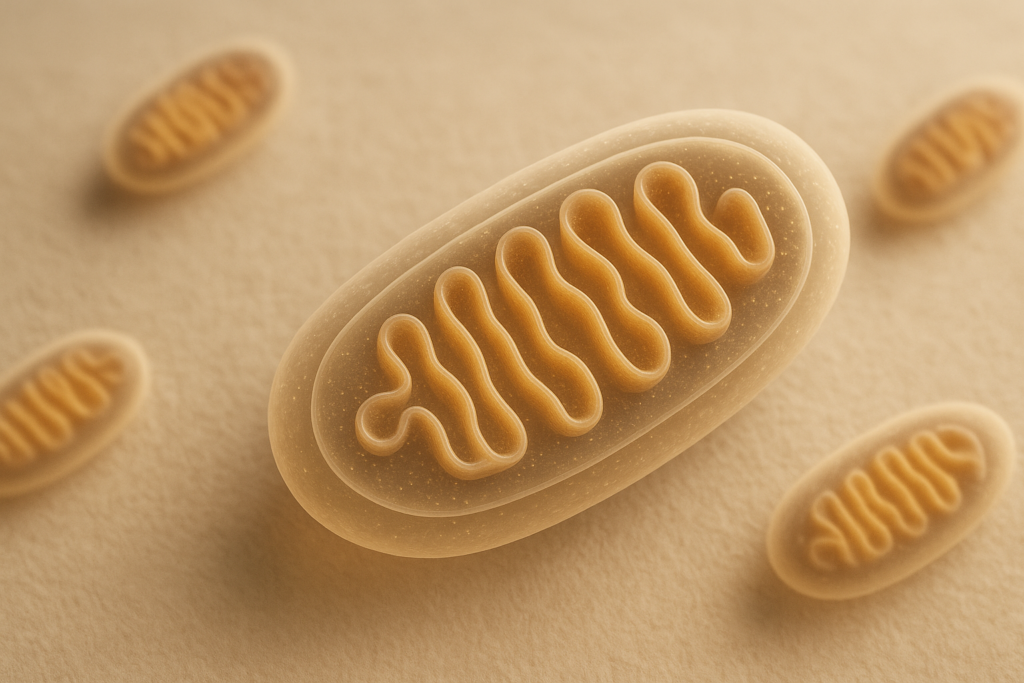
目的 本研究の主な目的は、腫瘍増殖抑制効果の可能性を分析することである
(−)-エピカテキン(EC)の。トリプルネガティブ乳がん(TNBC)は、プロゲステロン受容体、エストロゲン受容体、およびヒト上皮成長因子の欠如を特徴とする浸潤性のがんです。
因子受容体2。ドキソルビシン(DOX)は、その抗腫瘍活性から広く使用されている。ECは
フラバノール亜科に属し、その
抗増殖活性により、がんの補助療法の候補分子となっている。
方法:TNBCモデルにおけるECの効果および関与する経路の評価。
主な知見:ECはDOXと同等の効率で腫瘍増殖を抑制した(
ECおよびDOXの抑制率はそれぞれ74%および79%)。アデノシン一リン酸活性化プロテインキナーゼの評価
(AMPK)およびAktのリン酸化ならびにmTORの発現から、ECがこれらの経路を調節し、その結果として細胞増殖が抑制されることが示唆される。
さらに、対照群と比較して、ECを投与した動物の生存率が上昇していることが判明した。
この効果は、
DOXによる影響(EC群とDOX群の生存率はそれぞれ44%および30%)。
結論 ECには抗増殖作用があり、TNBCモデルにおいて生存率を向上させる。これらの効果は、制御が失われたAMPKおよびAkt/mTORシグナル伝達経路の調節を通じて生じている可能性がある。