
Oxidative Stress Regulation in Skeletal Muscle Under Clinical Metabolic Strain

In patients with heart failure and type 2 diabetes, (-)-epicatechin-rich cocoa modulated oxidative-stress regulators in skeletal muscle, supporting an effect on redox biology in clinically relevant tissue.
Fatigue Resistance, Oxidative Capacity, and Muscle Energy
This animal study found that (-)-epicatechin improved fatigue resistance and oxidative capacity in mouse muscle, supporting a mitochondrial or oxidative-metabolism effect in skeletal muscle.
(-)-Epicatechin improves mitochondrial-related protein levels and ameliorates oxidative stress in dystrophic δ-sarcoglycan null mouse striated muscle
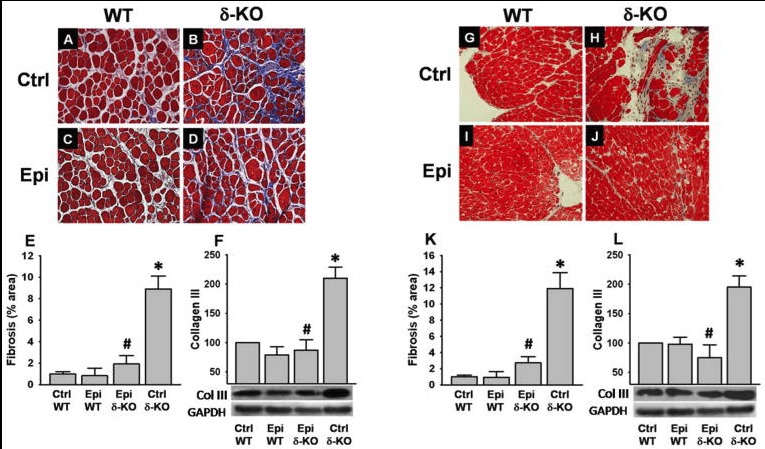
Muscular dystrophies (MDs) are a group of heterogeneous genetic disorders characterized by progressive striated muscle wasting and degeneration. Although the genetic basis for many of these disorders has been identified, the exact mechanism of disease pathogenesis remains unclear. The presence of oxidative stress (OS) is known to contribute to the pathophysiology and severity of the MD. Mitochondrial dysfunction is observed in MD, and probably represents an important determinant of increased OS. Experimental antioxidant therapies have been implemented with the aim of protecting against disease progression, but results from clinical trials have been disappointing. In this study, we explored the capacity of the cacao flavonoid (-)-epicatechin (Epi) to mitigate OS by acting as a positive regulator of mitochondrial structure/function endpoints and redox balance control systems in skeletal and cardiac muscles of dystrophic, δ-sarcoglycan (δ-SG) null mice. Wild-type or δ-SG null 2.5-month-old male mice were treated via oral gavage with either water (controls) or Epi (1 mg·kg(-1) , twice daily) for 2 weeks. The results showed significant normalization of total protein carbonylation, recovery of the glutathione/oxidized glutathione ratio and enhanced superoxide dismutase 2, catalase and citrate synthase activities with Epi treatment. These effects were accompanied by increases in the protein levels of thioredoxin, glutathione peroxidase, superoxide dismutase 2, catalase, and mitochondrial endpoints. Furthermore, we found decreases in heart and skeletal muscle fibrosis, accompanied by an improvement in skeletal muscle function, with treatment. These results warrant further investigation of Epi as a potential therapeutic agent to mitigate MD-associated muscle degeneration.
Neuroinflammation, Tau Pathology, and Brain Aging
In aged mice, (-)-epicatechin reduced oxidative stress, neuroinflammation, and tau hyperphosphorylation in the hippocampus, while also improving several behavioral and inflammatory measures.