Key Takeaways
- Kidneys are energy-intensive organs; proximal tubule cells are mitochondria-dense because transport work requires constant ATP. (PMC)
- Mitochondrial dysfunction, energy deficit plus stress amplification, shows up across AKI and CKD biology, involving impaired biogenesis, disrupted dynamics, and reduced mitophagy. (PMC)
- PGC-1α and mitophagy pathways help explain why recovery after stress can succeed or fail at the cellular level. (PMC)
- The most reliable “mitochondrial support” for kidneys is systemic: stable metabolic health, consistent exercise, good sleep, anti-inflammatory dietary patterns, and avoiding repeated kidney stressors. (PMC)
- Mitozz can be considered a targeted adjunct to the core habits that help support mitochondrial health, cellular energy, and overall metabolic resilience.
Your kidneys are quiet workhorses. Every day they filter large volumes of blood, fine-tune electrolytes, reclaim nutrients, and regulate fluid balance, tasks that require enormous cellular energy.
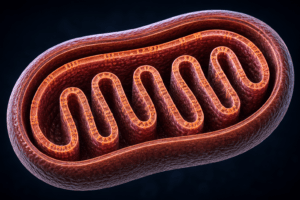
That’s why kidney health and mitochondrial health are tightly linked. Mitochondria are the cell’s energy-producing network, and kidney tubule cells, especially in the proximal tubule, are packed with them. When mitochondrial function or mitochondrial “quality control” declines, kidney cells can struggle to meet energy demands and become more vulnerable to injury and long-term scarring. (PMC)
This article explains the biology in plain language and highlights lifestyle levers that support mitochondrial resilience, an upstream approach that often overlaps with the same habits known to protect kidney function.
Why Kidneys Need So Much Energy
A common misconception is that kidneys are mostly passive filters. In reality, much of kidney work is active transport: moving sodium, glucose, amino acids, and other solutes back into the body after filtration.
Kidney cells, especially those in the proximal tubule, contain very large numbers of mitochondria because the kidney performs extremely energy-intensive transport work. About 1,000 to 2,000 mitochondria per proximal tubule cell.
Active transport is ATP-expensive. The proximal tubule, which performs a large share of reabsorption, has one of the highest mitochondrial densities in the body to keep up with this energy demand. (PMC)
When energy supply is robust, tubule cells maintain tight control over electrolytes and fluid balance. When energy supply falters, especially during stressors like low oxygen, inflammation, toxins, or uncontrolled metabolic disease, tubule cells are often the first to show damage.
What Mitochondria Do in Kidney Cells
Mitochondria are best known for producing ATP through oxidative phosphorylation. But they also:
- Coordinate metabolic “fuel choice” (glucose, fatty acids, lactate, ketones)
- Regulate reactive oxygen species (ROS) signaling (beneficial at low levels, damaging when excessive)
- Influence inflammation pathways
- Help determine whether a stressed cell recovers or dies

In kidney disease models and human observations, mitochondrial dysfunction shows up as impaired respiration, increased oxidative stress, and disrupted metabolic programming, particularly in tubular cells. (Physiology Journals)
How Mitochondrial Dysfunction Contributes to Kidney Decline
Kidney injury and kidney aging often involve a “two-problem” pattern:
- Energy deficit: damaged mitochondria produce less ATP, so transport work becomes harder to sustain.
- Stress amplification: damaged mitochondria can generate excess mitochondrial ROS and trigger inflammatory signaling, which further harms tissue.
Over time, repeated or unresolved mitochondrial stress can help push the kidney toward fibrosis (scarring) and loss of functional filtering units.
Reviews of CKD describe recognizable mitochondrial hallmarks, reduced biogenesis, abnormal fission/fusion balance, impaired mitophagy, and persistent oxidative stress, linked to disease progression. (Kidney International)
A key regulator: PGC-1α (mitochondrial biogenesis)
PGC-1α is often described as a “master coordinator” of mitochondrial biogenesis, helping cells build and maintain mitochondrial capacity when energy demand rises.
In kidney research, reduced PGC-1α activity is associated with vulnerability to AKI and metabolic stress, while experimental increases in PGC-1α signaling can be protective in models. (PMC)
Think of PGC-1α as part of the kidney’s “renewal program.” When it’s suppressed, by inflammation, severe oxidative stress, or chronic metabolic strain, cells may lose the ability to rebuild energy capacity after injury.
The Mitochondrial Quality-Control System
Healthy mitochondrial networks aren’t static. They’re continuously maintained through three interlocking processes:
1) Dynamics: fission and fusion
Mitochondria split (fission) and merge (fusion) to distribute resources, isolate damaged regions, and adapt to energy needs. Too much fission without adequate repair can leave mitochondria fragmented and inefficient—often seen in injury settings.

2) Mitophagy: removing damaged mitochondria
Mitophagy is selective “recycling” of dysfunctional mitochondria. Pathways such as PINK1/Parkin help tag damaged mitochondria for removal, limiting runaway ROS and inflammatory signaling.
Multiple reviews connect impaired mitophagy to kidney disease progression and fibrosis pathways, and discuss how restoring mitophagy can reduce mitochondrial damage signals in experimental contexts. (PMC)
3) Biogenesis: rebuilding capacity
Mitophagy removes damaged units; biogenesis restores supply. In resilient tissue, these two processes stay in balance. In vulnerable tissue, the system can tilt toward accumulation of “bad mitochondria” plus inadequate replacement, an energy and stress trap.
Practical, Mitochondria-Friendly Habits That Also Protect Kidneys
The most powerful “mitochondrial supports” are often the same basics clinicians emphasize for kidney health because they reduce the metabolic and inflammatory load on renal cells.
Build a movement routine your kidneys can live with
Exercise is one of the strongest physiological signals for mitochondrial remodeling and metabolic flexibility across the body. In CKD populations, some studies have shown resistance training can increase measures of mitochondrial content in skeletal muscle, suggesting that mitochondrial adaptability is not “off limits” even in chronic disease, though responses can vary by study, protocol, and patient context. (PMC)
From a kidney-mitochondria perspective, the goal is consistency:
- Regular walking or cycling supports cardiovascular function and insulin sensitivity (reducing renal metabolic stress)
- Strength training helps preserve muscle metabolic capacity (often reduced in CKD)
- Avoiding extreme dehydration during exercise is kidney-protective, especially in heat
Prioritize stable blood sugar and blood pressure (mitochondria notice both)
High glucose and high pressure create oxidative and inflammatory stress that can suppress mitochondrial maintenance programs. That’s one reason metabolic health is so kidney-relevant: it changes the cellular environment kidney mitochondria operate in.
If you’re already under medical care for diabetes or hypertension, the “mitochondrial approach” isn’t a separate plan, it’s the same fundamentals executed well, consistently, and safely.
Eat in a pattern that reduces inflammatory load (not a single “superfood”)
Across kidney and cardiovascular nutrition research, Mediterranean-style patterns are often discussed for their emphasis on minimally processed foods, fiber, healthy fats, and polyphenols, features that tend to support metabolic health and lower inflammatory signaling.
Importantly, for people with advanced CKD, diet must be individualized (protein, potassium, phosphate, sodium). Still, clinical work suggests Mediterranean-pattern approaches can be feasible and safe when designed appropriately. (PMC)
A mitochondria-forward framing:
- More fiber and plant variety supports gut-derived metabolites that may reduce systemic inflammation
- Better lipid quality supports mitochondrial membranes
- Less ultraprocessed load reduces metabolic spikes that stress redox balance

Protect sleep and circadian rhythm
Mitochondria are regulated by daily rhythms (fuel use, repair, antioxidant capacity). Poor sleep and circadian disruption can worsen insulin resistance and inflammatory tone, indirectly increasing renal stress.
Practical basics:
- Consistent sleep/wake schedule
- Morning light exposure
- Reducing late-night heavy meals and alcohol (if used)
Avoid repeated “kidney hits” that damage mitochondria
Some common, preventable stress combinations can be rough on kidney tubules:
- Dehydration + heat stress
- Heavy endurance efforts without adequate fluid/electrolyte strategy
- Frequent NSAID use (e.g., ibuprofen/naproxen), especially with dehydration or existing kidney vulnerability
If you have kidney disease or risk factors, medication decisions should be clinician-guided.
Polyphenols and mitochondrial signaling: where (-)-epicatechin is being studied
(-)-Epicatechin, a plant-derived flavanol, has been studied for effects related to mitochondrial biogenesis and vascular function in preclinical and early human contexts. For example, research reviews and studies discuss its potential to influence mitochondrial markers and endothelial function (a major determinant of kidney microvascular health). (PMC)
Mitozz is a nutraceutical developed by FMG Health Sciences that contains (-)-epicatechin, a compound being studied in relation to mitochondrial function and cellular energy. Mitozz can be considered an adjunct to the basic habits that support metabolic and mitochondrial health.
FAQs
Why are kidneys so dependent on mitochondria?
Kidney tubule cells do nonstop active transport, which requires lots of ATP and mitochondria make most ATP.
What is mitophagy and why does it matter for kidney health?
Mitophagy is a cellular process that removes damaged mitochondria. Without it, dysfunctional mitochondria build up, increasing oxidative stress and injury risk.
Can exercise improve mitochondrial function in people with kidney disease?
Often, yes. Appropriate exercise can support mitochondrial efficiency and metabolic health, which can reduce stress on kidneys.
How do high blood sugar and high blood pressure affect kidney mitochondria?
Both increase oxidative/inflammatory stress and can impair mitochondrial function, making kidney cells more vulnerable over time.
Share this blog article
References
- Doke T, et al. Review on kidney tubule mitochondrial biology and kidney disease links (2022). (PMC)
- Fontecha-Barriuso M, et al. PGC-1α and mitochondrial biogenesis in kidney injury contexts (2020). (PMC)
- Guo Y, et al. Mitochondrial dysfunction in renal pathophysiology (2024). (Physiology Journals)
- Fan X, et al. Mitophagy mechanisms and kidney disease relevance (2024). (PMC)
- Upadhyay A, et al. SGLT2 inhibitors and kidney protection mechanisms + outcomes (2024). (Lippincott Journals)
- Kwon YJ, et al. Mediterranean diet intervention feasibility/safety in CKD context (2024). (PMC)
- Balakrishnan VS, et al. Resistance training and mitochondrial content in CKD (2010). (PMC)
- Morevati M, et al. Roles of NAD+ in acute and chronic kidney diseases (2022). (MDPI)
- McDonald CM, et al. (-)-Epicatechin and mitochondrial biogenesis markers (2020). (PMC)
- Ramirez-Sanchez I, et al. (-)-Epicatechin, endothelial function, and mitochondrial density/aging (2018). (PMC)
Understanding mitochondrial health is a long-term process. That’s why we created the Mitozz Newsletter: a free way to keep learning about cellular energy, mitochondrial health, and the lifestyle signals that support your body over time. You’ll receive science-based educational content, practical guidance, and updates from Mitozz, all at your own pace.
Sign up for the Mitozz Newsletter
Get science-based education on mitochondrial health, cellular energy, and lifestyle signals that support your body over time.
Medical Disclaimer: The information provided in this article is for educational and informational purposes only and is not intended as medical advice. It is not a substitute for professional medical diagnosis, treatment, or guidance. Always consult with a qualified healthcare professional before making changes to your diet, exercise routine, fasting practices, or supplement use, especially if you have a medical condition, are pregnant or nursing, or are taking medications.
FDA Disclaimer: These statements have not been evaluated by the Food and Drug Administration. They are not not intended to diagnose, treat, cure, or prevent any disease.