Mitochondria and Longevity
The Hidden Foundation of Healthspan
A clear guide to mitochondria, healthspan, and the cellular systems
that help power strength, resilience, and everyday vitality as we age.
Introducción
Longevity is no longer defined solely by chronological lifespan, the total number of years lived.
Contemporary scientific and clinical understanding is now emphasizing healthspan, the portion of life spent in a state of robust physical, cognitive, and metabolic function. Healthspan reflects the capacity to maintain vitality, independence, and quality of life well into advanced age, free from the burden of chronic disease and functional decline.
Achieving meaningful extensions in healthspan requires addressing the core biological processes that govern cellular energy production, repair mechanisms, and systemic resilience. Among these, mitochondrial function has emerged as one of the most fundamental and interconnected regulators.
In 2026, the longevity field is experiencing a profound paradigm shift. Scientists and clinicians are moving beyond surface-level interventions toward targeting the foundational cellular machinery that determines biological resilience. Mitochondrial health sits at the intersection of multiple longevity hallmarks, including genomic instability, epigenetic alterations, telomere attrition, loss of proteostasis, deregulated nutrient sensing, mitochondrial dysfunction itself, cellular senescence, stem cell exhaustion, and altered intercellular communication.
Current Trends in Longevity Research
The longevity landscape in 2026 is defined by several converging trends:
- Recognition of mitochondrial dysfunction as a primary hallmark of aging and a driver of age-related diseases.
- Growing emphasis on mitochondrial quality control mechanisms, particularly mitochondrial biogenesis (generation of new healthy mitochondria) and
mitophagy (selective removal of damaged mitochondria). - Integration of mitochondrial-targeted strategies with lifestyle, nutrition, and pharmacological interventions.
- Increased focus on personalized assessment of mitochondrial function.
- Exploration of mitochondrial signaling (mitokines) and its role in systemic resilience, inflammation control, and metabolic flexibility.
- Cross-talk between mitochondrial health and other longevity pathways such as telomere maintenance, sirtuin activity, NAD+ levels, and epigenetic regulation.
These trends reflect a deeper appreciation that healthy aging depends not only on external factors but on optimizing the internal cellular engines that power life itself.
What Are Mitochondria?
Mitochondria are highly specialized, double-membraned organelles found in nearly every eukaryotic cell. While classically described as “the powerhouses of the cell,” their role extends far beyond ATP production.
These dynamic organelles generate adenosine triphosphate (ATP) through oxidative phosphorylation, converting nutrients and oxygen into the usable energy required for every cellular process. A typical human cell may contain hundreds to thousands of mitochondria, with density scaling to the cell’s energy demands.
Beyond energy production, mitochondria regulate intracellular calcium homeostasis, programmed cell death (apoptosis), steroid hormone synthesis, and production of reactive oxygen species (ROS) as signaling molecules. They possess their own circular DNA (mtDNA) and replicate independently, reflecting their ancient endosymbiotic origins. Mitochondrial dynamics — fusion, fission, and transport — enable rapid adaptation to changing conditions.
The Central Connection Between Mitochondria and Longevity
Mitochondrial health is inextricably linked to longevity and healthspan. Healthy mitochondria support robust energy production, effective cellular repair, controlled inflammation, and metabolic homeostasis. Mitochondrial dysfunction accelerates biological aging and contributes to numerous age-related conditions.
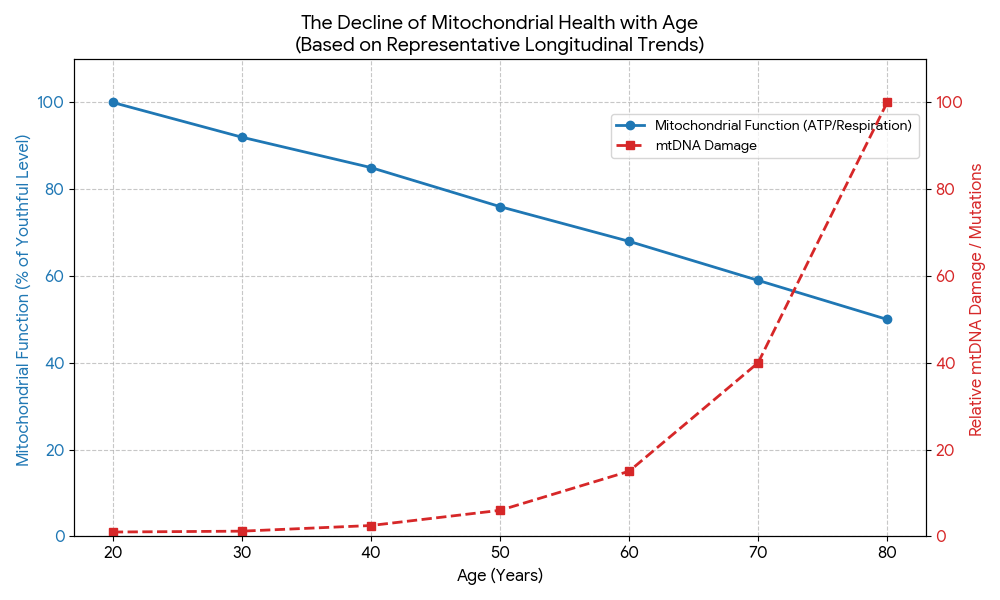
As organisms age, mitochondria undergo progressive decline: reduced ATP output, increased ROS leakage, accumulation of mtDNA mutations, impaired biogenesis and mitophagy, and altered signaling that promotes chronic low-grade inflammation (“inflammaging”). This creates a vicious cycle that accelerates cellular senescence and tissue dysfunction.
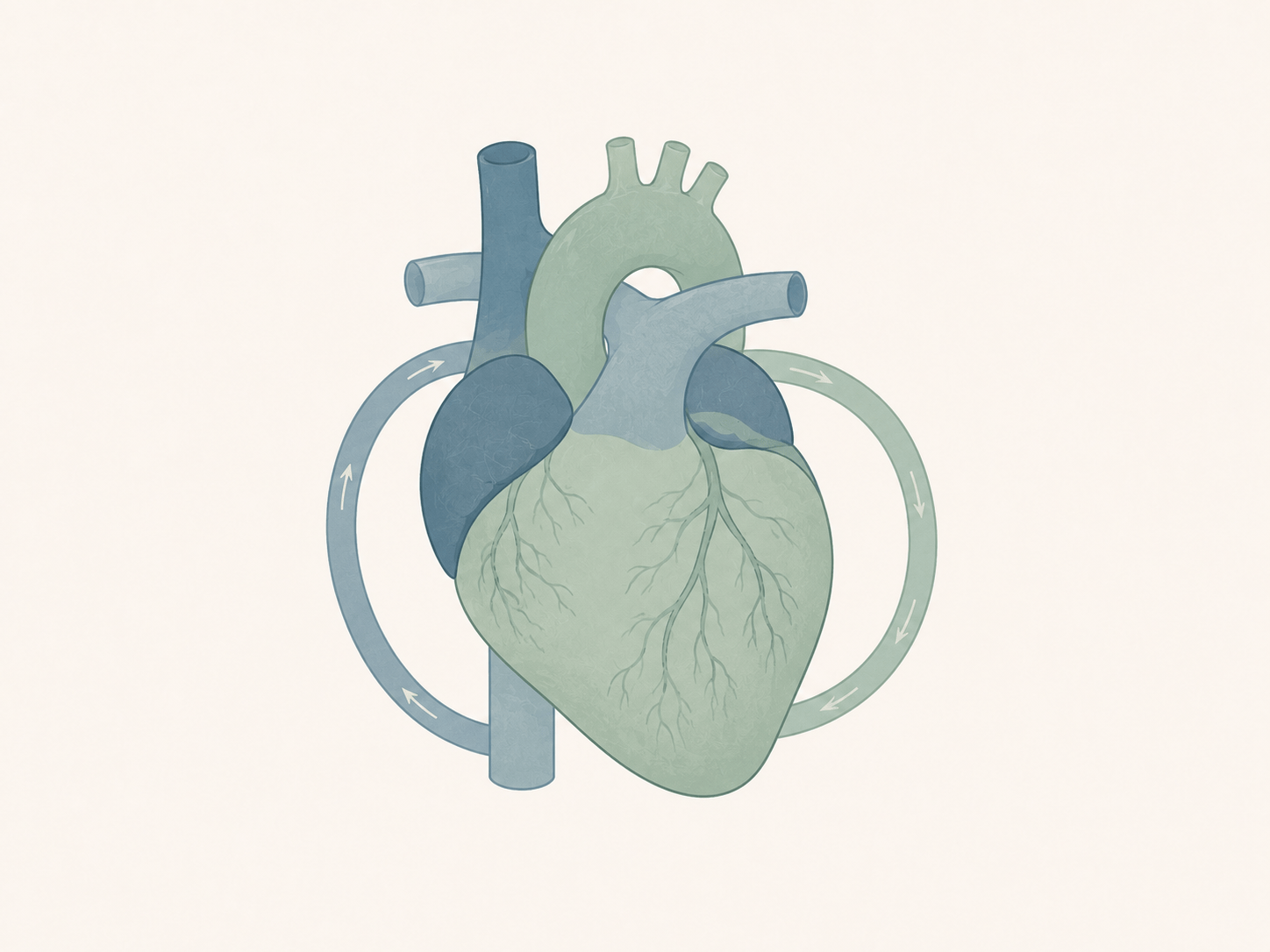
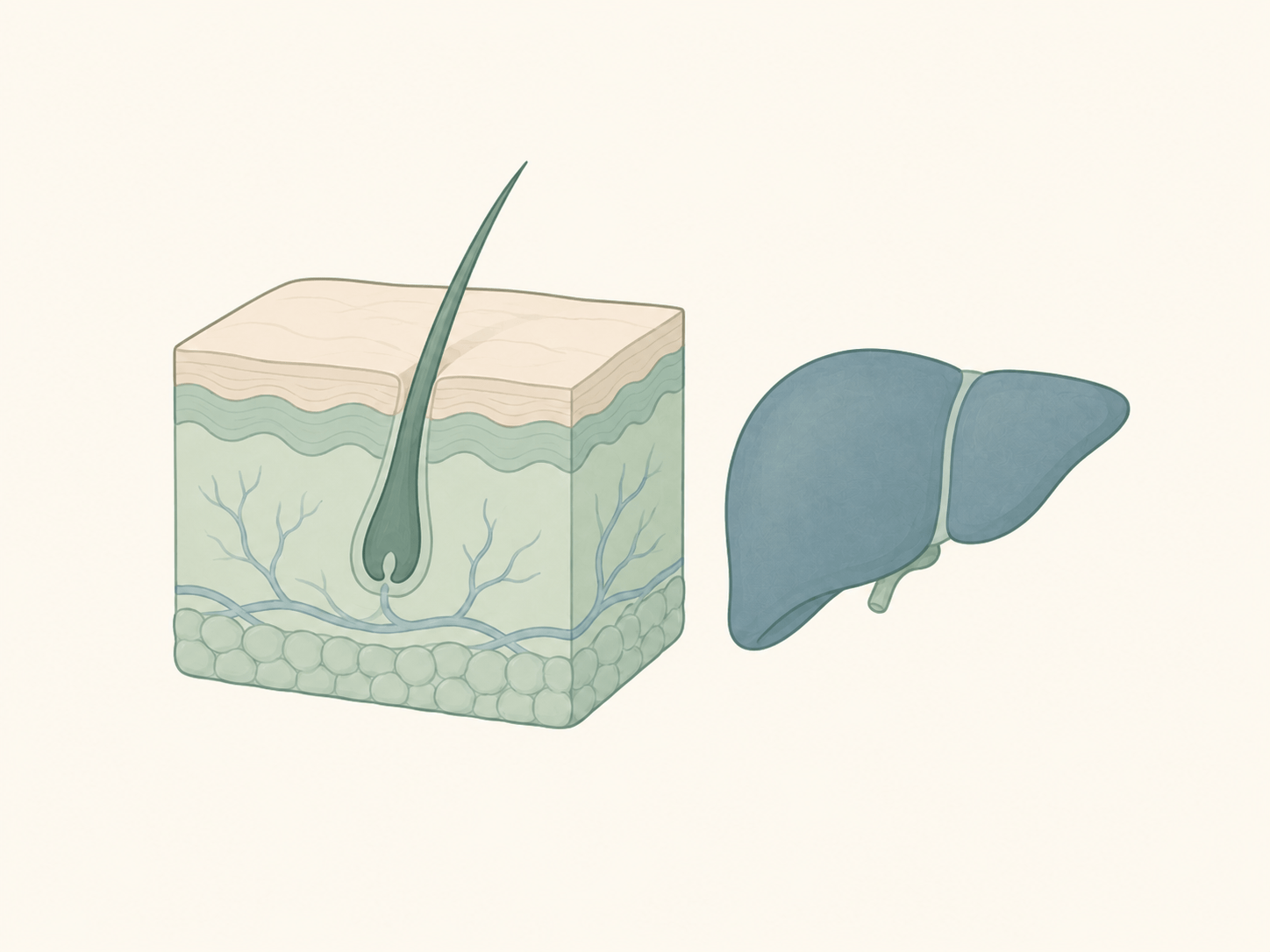
Importantly, not all parts of the body age at the same rate. This phenomenon, known as heterogeneous or tissue-specific aging, is largely driven by differences in mitochondrial density, energy demand, and vulnerability to oxidative stress. High-energy tissues such as the brain, heart, skeletal muscle, and ovaries exhibit faster mitochondrial decline than lower-demand tissues like the liver or certain skin layers. This differential aging explains why cognitive function, muscle strength, and hormonal balance often deteriorate earlier than other systems.
Mitochondrial Decline and Its Impact on Healthspan
The gradual erosion of mitochondrial function manifests differently across tissues:
- Brain and cognitive longevity: High mitochondrial density in neurons makes the brain particularly vulnerable. Declining mitochondrial efficiency contributes
to brain fog, reduced mental resilience, and accelerated cognitive decline. - Muscle strength and mobility after 40: Skeletal muscle relies heavily on mitochondria for sustained activity. Mitochondrial decline drives sarcopenia, slower recovery, and loss of mobility.
- Perimenopause and accelerated aging in women: Ovarian mitochondria are highly sensitive to age-related changes. Their dysfunction is a key driver of perimenopausal symptoms and the accelerated aging trajectory many women experience in their 40s and 50s.
- Chronic stress and long-term healthspan: Prolonged stress elevates cortisol, which impairs mitochondrial function across multiple tissues, accelerating overall biological aging.
Practical Strategies for Supporting Mitochondrial Health and Longevity
Evidence-based approaches include regular physical activity (especially resistance and high-intensity training that stimulates PGC-1α-driven biogenesis), nutritional strategies providing key cofactors, lifestyle practices that promote mitophagy, and targeted supplementation.
For the full guide, read our foundational article covering how to improve mitochondrial health.
Why Mitochondria Are the Hidden Foundation of Longevity
Mitochondria are not merely energy producers — they function as master regulators of cellular and systemic health. Their performance underpins nearly every biological process required for sustained vitality. By prioritizing mitochondrial health, individuals and clinicians can address aging at its most fundamental level.
This systems-oriented approach offers one of the highest-leverage opportunities in modern longevity science and represents a practical pathway toward extended healthspan.
The Role of Mitozz in Mitochondrial Support
Mitozz is a nutraceutical developed by FMG Health Sciences containing 98% pure (-)-epicatechin, specifically formulated to address mitochondrial health through a comprehensive, multi-pathway approach. The product is designed to protect existing mitochondria from oxidative damage, support biogenesis, regulate function and signaling, and improve overall efficiency under real-world conditions. This integrated strategy aligns with the complex biology of mitochondria and distinguishes Mitozz from single-ingredient supplements.
Referencias
- López-Otín, C., Blasco, M. A., Partridge, L., Serrano, M., & Kroemer, G. (2023). Hallmarks of aging: An expanding universe. Cell, 186(2), 243–278.
- Burtscher, et al. (2023). Mitochondrial stress and mitokines in aging. Aging Cell, 22(2), e13770.
- Sun, N., Youle, R. J., & Finkel, T. (2016). The mitochondrial basis of aging. Molecular Cell, 61(5), 654–666.
- Bratic, A., & Larsson, N. G. (2013). The role of mitochondria in aging. Journal of Clinical Investigation, 123(3), 951–957.
- Youle, R. J., & Narendra, D. P. (2011). Mechanisms of mitophagy. Nature Reviews Molecular Cell Biology, 12(1), 9–14.
- Chandel, N. S. (2014). Mitochondria as signaling organelles. BMC Biology, 12, 34.
- West, A. P., et al. (2015). Mitochondrial DNA stress primes the antiviral innate immune response. Nature, 520(7548), 553–557.
- Verdin, E. (2015). NAD+ in aging, metabolism, and neurodegeneration. Science, 350(6265), 1208–1213.
- Ristow, M., & Schmeisser, K. (2014). Mitohormesis: Promoting health and lifespan by increased levels of reactive oxygen species. Dose-Response, 12(2), 288–341.
- Fontana, L., & Partridge, L. (2015). Promotiang health and longevity through diet: From model organisms to humans. Cell, 161(1), 106–118.
- Mattson, M. P., & Arumugam, T. V. (2018). Hallmarks of brain aging: Adaptive and pathological modification by metabolic states. Cell Metabolism, 27(6), 1176–1199.
- Wu, Z., et al. (1999). Mechanisms controlling mitochondrial biogenesis and respiration through the thermogenic coactivator PGC-1. Cell, 98(1), 115–124.
- Wu, et al (2022). The sirtuin family in health and disease. Signal Transduction and Targeted Therapy, 7, 402.
- Whitehall, et al. (2023). Mitochondrial DNA mutations and ageing. Essays in Biochemistry.
- Ikeda, K., et al. (2026). Mitochondrial respiratory supercomplex assembly factor COX7RP improves metabolic homeostasis and contributes to lifespan extension in mice. Aging Cell.
Mitozz
Mitozz un complemento alimenticio formulado a base de (-)-epicatechin altamente purificada (-)-epicatechin favorecer la salud mitocondrial, la energía celular y un envejecimiento saludable. Está diseñado para personas que desean reforzar los sistemas energéticos naturales del organismo mediante un enfoque nutracéutico basado en la ciencia.
Respaldado por más de 60 estudios publicados por nuestro equipo
Mitozz
Una innovación de última generación en el cuidado de la piel, diseñada para ayudar a conseguir un aspecto más saludable
y combatir los signos visibles del envejecimiento.
Read more about Mitozz RS and join the waiting list to be among the first to hear when it launches.