
Mitozz RS Study Finds Measurable Improvements in Wrinkles and Skin Texture
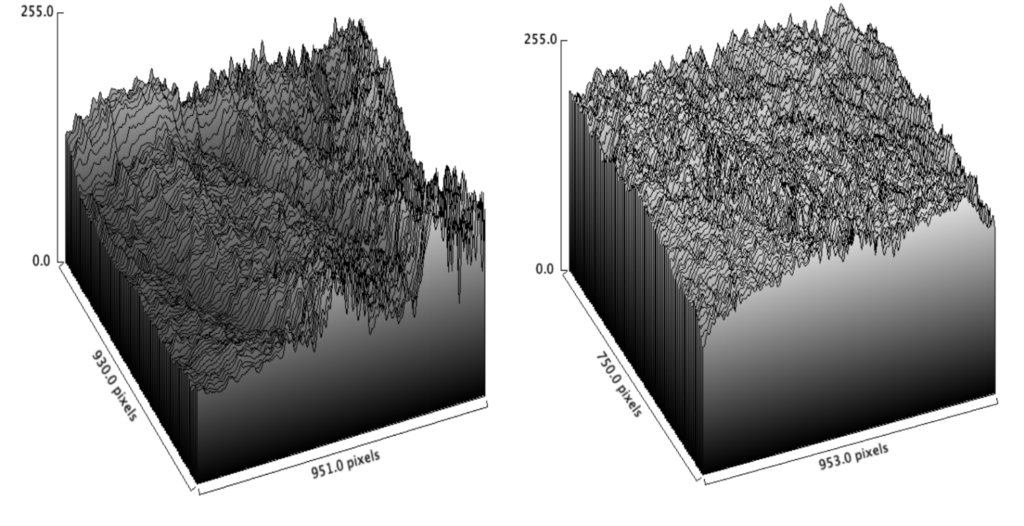
FMG Health Sciences evaluated the Mitozz RS epicatechin formula in 18 participants over two months. Three-dimensional imaging and numerical analysis found measurable improvements in wrinkle height, depth, amplitude, and surface roughness, with changes observed in both hand and facial skin.
Swimming Stronger, Resting Better

Five years after cancer surgery, an active swimmer shares what she noticed as she completed her second and third bottles of Mitozz.
Sleeping Through the Night and Feeling Ready for the Day

At 52, she shares how menopause-related sleep problems and low energy were affecting her daily life, and what she noticed after taking Mitozz.
A Little More Like Herself

Living with hyperthyroidism, she shares what changed during her second month with Mitozz and after finishing her third bottle.
A Personal Routine During Rehabilitation

While continuing a demanding rehabilitation routine, one community member shares what stood out to her during her third month with Mitozz.
From France to the U.S.: A Personal Three-Month Check-In

After struggling to feel fully rested, a 32-year-old community member shares what she noticed over three months of making Mitozz part of her daily routine.
More Rest and Energy for Daily Life: A Three-Month Experience

A 59-year-old community member shares what stood out to him after making Mitozz part of his daily routine for three months.

During an intensive rehabilitation routine after a major health event, a 65-year-old community member shares what stood out to him after three months with Mitozz.
Finding More Energy and Better Rest in a Time of Change

While navigating several health and life changes, one community member shares what stood out to her after three months with Mitozz.
How to Repair and Maintain Mitochondrial Health Naturally

Mitochondria are the cellular engines that produce energy for nearly every biological process. This article explores evidence-based lifestyle strategies that support mitochondrial function and long-term cellular energy.
Energy that Transforms Event: Discover Mitozz
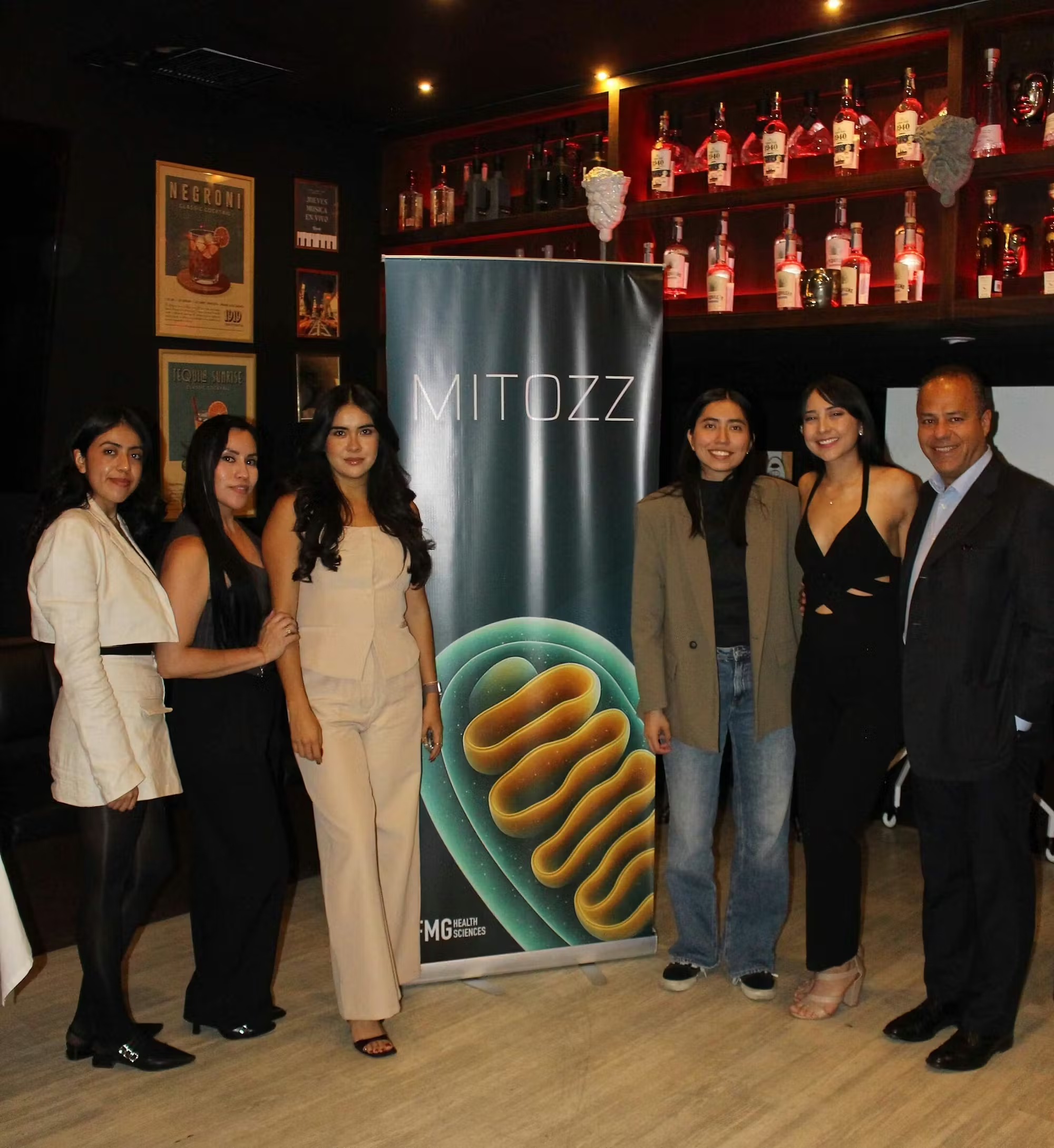
Guests gathered at Talento Restaurant in Guadalajara on November 6, 2025, for Energy that Transforms, an immersive Mitozz event exploring the science of mitochondrial health, cellular energy, and longevity. Led by the Mitozz founding team, the evening blended education, conversation, and community around the idea that true vitality begins at the cellular level.
Dark Chocolate, Epicatechin, and Cellular Energy
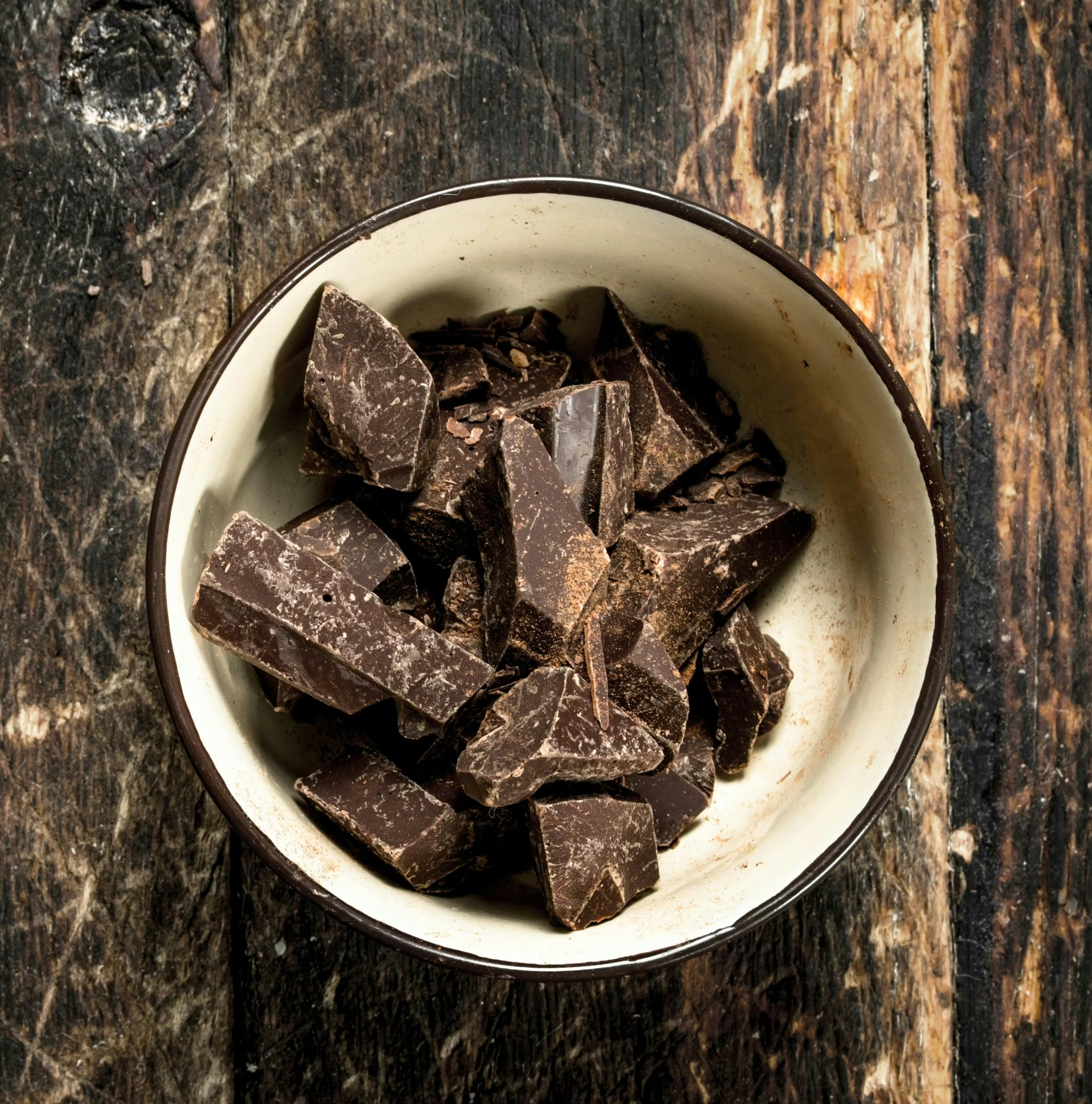
Chocolate is often enjoyed for its flavor, but research into cocoa points to something deeper. Discover how epicatechin has been studied for its role in supporting how cells produce and manage energy.