The Mitozz Blog


Understand the science behind cellular energy, mitochondrial health, recovery, and longevity.

A middle-aged man sitting on a wooden chair in a living room, looking weary with his hand on his forehead, illustrating the physical and mental fatigue associated with age-related energy decline.

Why Does Energy Drop as We Get Older? What Changes at the Cellular Level

By age 80, the average person’s mitochondrial energy output drops by 50% while, at the same time, cellular damage skyrockets. This isn't because we are just "getting older," it’s a biological shift in your cellular power plants. We dive into the landmark research on mitochondrial mass and explore how targeted interventions like Mitozz are helping to shift the curve of aging to restore youthful energy at the source.
A woman looking down in deep reflection near a window, illustrating the biological connection between chronic stress, mental health, and mitochondrial bioenergetics.

Mitochondria and Depression: The Bioenergetic Link to Mood

Mitochondria may play a deeper role in mood than once thought. This article explores the “Mito-Mood Hypothesis,” how cellular energy, oxidative stress, inflammation, and neuroplasticity may connect mitochondrial function with emotional resilience, and what practical habits can support the brain’s bioenergetic health.
A traveler suffering from jet lag looking out the window of a long-haul flight at night over city lights, illustrating the impact of travel and sleep debt on cellular energy. FMG Health Sciences

Jet Lag and Mitochondria: Why You’re So Tired

Jet lag isn’t just sleep disruption. It’s a temporary mismatch between your brain’s master clock and the cellular clocks that regulate mitochondrial energy production. This article explains why crossing time zones can leave you feeling drained, foggy, and physically slow, and how light exposure, meal timing, movement, and sleep routines help your body resynchronize from the brain down to the mitochondria.
A three-panel split-screen image showing raw cacao beans on the left, fresh green tea leaves in the center, and a woman jogging through a sunlit park on the right, representing the natural sources of epicatechin and its benefits for healthy aging and vitality.

(-)-Epicatechin and Mitochondrial Health: What the Science Suggests

Discover the connection between signaling pathways and energy regulation. We explore how (-)-epicatechin supports mitochondrial adaptation and long-term cellular resilience.
Middle-aged woman sitting on a couch in natural window light, wondering what Does “Low Mitochondrial Function” Actually Feel Like? - Mitozz

What Does “Mitochondrial Dysfunction” Actually Feel Like?

If your energy, recovery, or mental stamina feels off, it may not be just motivation or sleep. Mitochondrial function shapes how you feel day to day. This article breaks down what that can look like.
Photorealistic four-panel image showing walking, running, cycling, and sprinting to improve my mitochondria Mitozz

How Long Does It Take to Improve My Mitochondria? A Realistic Timeline for Beginners

You know supporting your mitochondria matters and you’ve started training to do it. But how long will it take for your mitochondria to improve, really? Here’s the timeline, what changes first, and what to track so you can measure progress without guessing.
FMG Health Sciences article on ovulation, cellular energy, and egg quality, lifestyle context image

Ovulation, Energy, and Egg Quality: The Mitochondria Link

Ovulation is not only a hormonal event, it is also an energy-demanding cellular process. Egg cells contain an unusually high number of mitochondria because they rely on steady ATP production to support maturation, chromosomal organization, and the earliest stages of development. When mitochondrial function declines, the result can be lower energy availability, altered redox balance, and greater vulnerability to oxidative stress, all of which can influence egg quality.

Photorealistic morning routine scene of a woman in her 30s preparing a healthy breakfast in a sunlit kitchen while workout clothes and sneakers are neatly arranged on a table, calm natural light, Mitozz

PCOS and Cellular Energy: The Biology Behind the Symptoms

PCOS is a whole-body condition. Explore how metabolic signaling, ovarian hormones, oxidative stress, and cellular energy biology intersect, and what supports resilience over time.
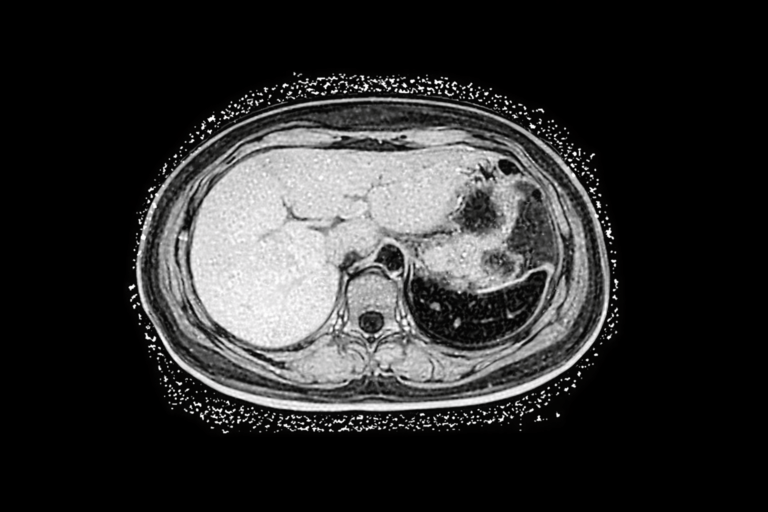
Black and white MRI scan of fatty liver showing increased liver fat content and metabolic dysfunction, mitochondrial health, Mitozz, FMG Health Sciences, (-)-epicatechin

Mitochondrial Health and Fatty Liver

Fatty liver is often framed as a problem caused by excess calories but the deeper story involves mitochondrial function, energy handling, and metabolic stress. This article explains how mitochondrial health shapes liver resilience, and what practical steps support long-term metabolic stability.
Middle-aged man in a pharmacy aisle looking thoughtfully at a shelf of food supplements, comparing bottles and struggling to decide which product to choose, realistic setting with natural lighting - Mitozz

Supporting Mitochondrial Health: Why Mitozz Is the Best Supplement for Lasting Energy, Biogenesis & Vitality in 2026

Want better energy and recovery but confused by all the supplement options? This head-to-head comparison breaks down what each one is best for and why Mitozz stands out for mitochondrial biogenesis support.
Three doctors in white coats standing in a bright hospital corridor, featured image.

Doctors’ Day and the Emerging Shift Toward Resilience

In honor of U.S. Doctors’ Day, we explore a prevention-focused theme gaining attention in health science: mitochondrial health. Discover how mitochondria support energy and recovery, and what lifestyle fundamentals can help maintain function with age.
Photorealistic image of a woman preparing a healthy meal in a modern kitchen while a prominent translucent calendar and lunar phase motif overlays the scene, symbolizing menstrual cycle timing and daily metabolism variability.

Women’s Metabolism, Why It’s Not the Same Every Day

Female metabolism is not static. Hormonal shifts across the menstrual cycle can influence energy needs, cravings, and metabolic patterns, helping explain why your baseline does not feel the same every day. This article breaks down what changes across the month and how to make more sense of it.