Puntos clave
- Energy Management: Health is largely about how efficiently our cells can produce and regulate energy at the mitochondrial level.
- Signaling Power: (-)-Epicatechin acts as a signaling molecule that may influence mitochondrial density and oxygen delivery.
- Resilience: Increasing mitochondrial capacity creates a biological buffer against fatigue and age-related metabolic decline.
- Complementary Support: Mitozz provides a research-based way to support these pathways alongside healthy lifestyle choices.
More than a decade ago, FMG Health Sciences’ founding scientists weren’t studying supplements. They were studying patterns related to why metabolic health tends to decline with age, and why obesity is often associated with changes in how the body regulates energy.
Guillermo Ceballos, MD, PhD
ResearchGate

Francisco Villarreal, MD, PhD
ResearchGate

Again and again, the same theme presented itself and it became increasingly clear that it wasn’t just about calories or hormones. It was about how cells manage energy, particularly at the level of the mitochondria.
As they dug deeper into that question, they began looking at how signaling pathways influence blood flow, oxygen delivery, and mitochondrial adaptation. That’s where (−)-epicatechin first came onto their radar, as a compound that kept showing up in the science around these systems, and that kept giving them a reason to study it more closely.
The Foundation of Energy Regulation
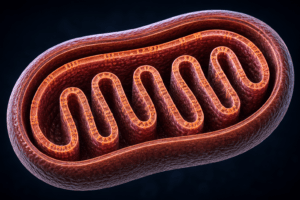
To understand why Drs. Guillermo and Francisco became interested in this specific compound, we first have to look at the engine of the cell. Every movement you make, from a heavy lift at the gym to the simple act of breathing while you sleep, requires a constant supply of energy. This energy is produced primarily by mitochondria, tiny structures that turn the food we eat and the oxygen we breathe into useable fuel called ATP.
When we are young, these engines tend to be highly efficient. They respond quickly to changes in demand, like when you transition from sitting at a desk to running for a bus. However, as time passes, the cumulative strain on our biology can lead to a decrease in this adaptive capacity. This isn’t a single event but a gradual shift in how efficiently our cells can produce and manage energy.
Dr. Guillermo and Dr. Francisco, wanted to know if there were specific signals the body uses to maintain this efficiency. They were looking for the “dials” that the body turns to keep the energy supply meeting the energy demand.
What is (−)-epicatechin?
You might have heard of polyphenols, the beneficial compounds found in certain plant foods. (-)-Epicatechin is a specific type of flavanol found in foods like dark chocolate and green tea. While it has often been discussed as a general antioxidant, the science suggests its role in the body is much more complex and targeted than just “cleaning up” molecules.

Instead of acting only as a passive shield, researchers found that (-)-epicatechin seems to act as a signaling molecule. It talks to the pathways that tell the cell how to structure itself and how to handle energy. For the FMG team, this was the breakthrough.
The Link to Blood Flow and Oxygen
One of the most critical aspects of mitochondrial health is the delivery of raw materials. If a cell doesn’t have enough oxygen, it can’t produce energy efficiently. This is where the concept of nitric oxide enters the picture.
Nitric oxide is a vital signaling molecule produced in the body that helps blood vessels relax and widen. When vessels are relaxed, blood flows more easily, carrying oxygen and nutrients to the tissues that need them most. Early research observed that certain flavanols could influence the production of nitric oxide.
By supporting healthy blood flow, (-)-epicatechin may help ensure that the mitochondria have the oxygen they need to maintain high levels of performance. This is particularly important during recovery from physical activity, when the body is working to repair tissue and restore energy stores.
- Mitochondria require a steady supply of oxygen to function.
- Nitric oxide helps regulate the delivery of that oxygen.
- (-)-Epicatechin is being studied for its role in supporting these delivery pathways.
Promoting Mitochondrial Biogenesis
The FMG team was also interested in a process called mitochondrial biogenesis. This is the biological process where a cell creates new mitochondria. Think of it like adding more engines to a plane so it can fly further and faster with less strain.
Research indicates that a protein called PGC-1α acts as the master regulator for this process. When PGC-1α is active, it signals the cell to build more mitochondrial hardware. Studies have observed that (-)-epicatechin may influence the signaling pathways that activate PGC-1α.
This matters because having a higher density of mitochondria generally translates to better metabolic resilience. If your cells have more “engines,” each individual engine has to work less hard to meet the body’s energy needs. This creates a buffer against the fatigue and metabolic slowing that often comes with age or high levels of stress.
What the Science Suggests for Recovery
If you have ever felt a “mid-afternoon slump” or found that it takes longer to bounce back after a workout than it used to, you are feeling the effects of energy demand outstripping energy supply. While lifestyle factors like sleep and nutrition are the foundation of recovery, the FMG researchers saw a role for targeted support.
The evidence suggests that by supporting the pathways involved in energy production and oxygen delivery, (-)-epicatechin might help the body maintain its “recovery rhythm.” It’s not about creating a sudden burst of caffeine-like energy but rather a gradual strengthening of the cellular systems that keep you going throughout the day.
Practical Implications for a Healthier Life
While the science behind (-)-epicatechin is fascinating, it’s important to remember that no single compound works in isolation. Physiological resilience is the result of cumulative habits over time.
- Movement: Regular physical activity is the most powerful signal for your body to create more mitochondria.
- Sleep: Deep sleep is when the body performs essential maintenance on its cellular machinery.
- Nutrition: A whole-food diet provides the essential macronutrients for fuel and the micronutrient co-factors required for cellular energy production.
- Recovery: Giving your body time to adapt to stress is just as important as the stress itself.
- Targeted Support: Compounds like (-)-epicatechin act as precision signals.
Think of (-)-epicatechin as a powerful catalyst for your health journey. While it complements your daily habits, its real strength lies in how it amplifies the signals your body needs to become more efficient, helping you get the most out of every walk, meal, and night of sleep.
Targeted Nutritional Support
Based on the research conducted by our founding scientists, FMG Health Sciences developed Mitozz. This nutraceutical product contains 98% pure (-)-epicatechin and is designed to support the very mitochondrial pathways Dr. Ceballos and Dr. Villarreal have spent over 15 years investigating.
Mitozz is intended to be a partner to your lifestyle. It provides a concentrated way to access the signaling benefits of (-)-epicatechin, helping to support mitochondrial function and cellular energy capacity. For those looking to proactively manage their metabolic health and resilience, it offers a research-grounded option.
Conclusión
True vitality is built at the cellular level and (-)-epicatechin is the specific signal that helps your mitochondria meet the demands life throws our way. By reinforcing this cellular “hardware,” you aren’t just chasing a temporary boost, you’re building a body that is fundamentally more efficient at converting fuel into life. It’s the essential link that ensures the work you invest in your health today creates a more resilient version of yourself for years to come.
The journey to better energy starts with small, consistent signals. To dive deeper into the lifestyle habits that work alongside these signals, explore our guide: How to Repair and Maintain Mitochondrial Health Naturally.
Comparte este artículo del blog
Referencias
- Nogueira, L., et al. (2011). (-)-Epicatechin enhances fatigue resistance and oxidative capacity in mouse muscle. The Journal of Physiology.
- Ramirez-Sanchez, I., et al. (2013). (-)-Epicatechin rich cocoa mediated modulation of oxidative stress regulators in skeletal muscle of heart failure and type 2 diabetes patients. International Journal of Cardiology.
- Ceballos, G., et al. (2011). Cocoa flavanols: effects on vascular nitric oxide and blood pressure. Journal of Clinical Biochemistry and Nutrition.
- Gutierrez-Salmean, G., et al. (2014). Effects of (−)-epicatechin on molecular modulators of skeletal muscle growth and differentiation. The Journal of Nutritional Biochemistry.
- Barnett, C. F., et al. (2015). Pharmacokinetic, partial pharmacodynamic and initial safety analysis of (−)-Epicatechin in healthy volunteers. Food & Function.
- McDonald, C. M., et al. (2021). (-)-Epicatechin induces mitochondrial biogenesis and markers of muscle regeneration in adults with Becker muscular dystrophy. Muscle & Nerve.
Comprender la salud mitocondrial es un proceso a largo plazo. Por eso hemos creado el Mitozz : una forma gratuita de seguir aprendiendo sobre la energía celular, la salud mitocondrial y los hábitos de vida que favorecen el bienestar de tu cuerpo a lo largo del tiempo. Recibirás contenido educativo con base científica, consejos prácticos y novedades de Mitozz, todo ello a tu propio ritmo.
Suscríbete al Mitozz de Mitozz
Obtén información con base científica sobre la salud mitocondrial, la energía celular y los hábitos de vida que favorecen el bienestar de tu cuerpo a largo plazo.
Aviso médico: La información proporcionada en este artículo tiene fines exclusivamente educativos e informativos y no pretende constituir un consejo médico. No sustituye el diagnóstico, el tratamiento ni la orientación médicos profesionales. Consulte siempre a un profesional sanitario cualificado antes de realizar cambios en su dieta, rutina de ejercicio, prácticas de ayuno o uso de suplementos, especialmente si padece alguna afección médica, está embarazada o en periodo de lactancia, o está tomando medicamentos.
Descargo de responsabilidad de la FDA: Estas declaraciones no han sido evaluadas por la Administración de Alimentos y Medicamentos (FDA). No están destinadas a diagnosticar, tratar, curar ni prevenir ninguna enfermedad.