Pontos principais
- Cold hands and feet often reflect normal heat conservation rather than blocked circulation.
- Stress and cold can narrow small blood vessels near the skin.
- Repeated white, blue, or red color changes may indicate Raynaud’s phenomenon.
- Cold extremities with fatigue may justify checking iron status, thyroid function, or energy intake.
- A hand or foot that becomes much colder than the other, especially with pain or color change, needs prompt attention.
Have you ever been sitting in a comfortable room while your fingers feel as though they belong outside in winter conditions?
Your hands and feet sit at the outer edges of your temperature-control system. When your body wants to conserve heat, it reduces blood flow near the skin and keeps more warm blood closer to the organs in your chest and abdomen.
Having cold hands or feet does not automatically mean you have “poor circulation.” Often, it means your body is making a normal decision about where heat is needed most.
This article focuses specifically on cold hands and feet. For a broader explanation of whole-body cold sensitivity, metabolism, thyroid function, and heat production, read Why Do I Always Feel Cold?.
Why your hands and feet cool down first
When temperature sensors in your skin detect cold tempuratures, your nervous system narrows small blood vessels near the surface. This response, called peripheral vasoconstriction, reduces heat loss and protects your core temperature. Less warm blood reaches your fingers and toes, so they may feel cold even when your internal temperature is normal.

This can happen in an air-conditioned room, while holding a cold drink, after sitting still, or outdoors in cool weather. Movement and warmth usually allow the vessels to relax and skin temperature to recover.
The pattern matters more than the sensation alone. Both hands cooling under the same conditions and warming normally is different from one foot remaining cold or fingers repeatedly changing color.
A useful way to separate the possibilities is:
- Normal heat conservation: Both sides cool in response to temperature and warm up normally.
- Exaggerated vessel constriction: The response is prolonged, painful, or accompanied by color changes.
- Reduced arterial blood flow: Symptoms are persistent, pronounced, or mainly affect one side.
When stress makes your hands cold
Temperature is not the only signal affecting blood vessels. Emotional stress activates the sympathetic nervous system, which can also narrow vessels near the skin.
That is why some people develop cold or clammy hands before a presentation, during an argument, or while working under pressure. The sensation is physical, even though the trigger is psychological.
Nicotine can worsen vessel narrowing. Certain decongestants, stimulants, migraine medicines, and blood pressure drugs may also aggravate Raynaud-like symptoms in susceptible people. Do not stop prescribed medication on your own, but mention the timing to your clinician if symptoms began after a medication change.
Color changes may point to Raynaud’s phenomenon
Cold fingers are common. Fingers or toes that repeatedly change color suggest a more specific response.
In Raynaud’s phenomenon, blood vessels in the extremities narrow quickly and remain constricted longer than usual. Cold exposure and emotional stress are common triggers. The area may turn pale or white, then blue, and later red as circulation returns. Numbness, tingling, burning, throbbing, or pain can occur, although not everyone experiences every color stage.
Primary Raynaud’s occurs without another identified condition and is often mild. Secondary Raynaud’s is associated with another health problem and may be more serious. New or worsening episodes, severe pain, skin sores, or tissue injury should be medically evaluated.
Cold hands and feet with fatigue
Sometimes cold extremities are part of a broader pattern involving oxygen delivery, hormone signaling, or energy availability.
Iron deficiency and anemia
Iron-deficiency anemia can cause cold hands and feet along with fatigue, dizziness, pale skin, or shortness of breath. Iron is needed to make hemoglobin, the protein in red blood cells that carries oxygen.
Cold fingers alone do not establish iron deficiency. When they occur with fatigue, reduced exercise tolerance, heavy menstrual bleeding, or dizziness, a clinician may consider a complete blood count and iron studies.
Thyroid function
Thyroid hormones help regulate metabolism and heat production. Hypothyroidism can include feeling cold, tired, constipated, or mentally slowed, as well as dry skin and other symptoms.
These complaints overlap with many conditions. A blood test is needed rather than trying to judge thyroid function from cold sensitivity alone.
Inadequate energy intake
Cold sensitivity may also appear when food intake does not match the energy required for exercise and normal physiological functions. This is often discussed as low energy availability, particularly in active people.
Research shows that prolonged low energy availability can alter metabolic and endocrine function. The broader pattern may include feeling cold at rest, poorer recovery, fatigue, mood changes, reduced training response, or menstrual disruption. Cold hands or feet by themselves are not enough to identify the problem.
When one side feels colder
Symmetry matters. If both feet cool in the same environment and recover with warmth, temperature regulation is a more likely explanation. If one foot is consistently colder, paler, more painful, or more numb than the other, reduced arterial blood flow becomes more concerning.
Peripheral artery disease can cause one foot to feel colder than the other, along with pain during walking, discoloration, numbness, or wounds that heal slowly. A suddenly cold, pale, painful, or numb limb may be an emergency.
A cold sensation can also come from altered nerve signaling. Peripheral neuropathy may cause burning, tingling, numbness, pain, weakness, or difficulty sensing temperature. If a foot feels cold but is warm to the touch, or if temperature sensation is reduced, medical evaluation is more useful than simply applying stronger heat.
What may help in everyday life
Warm your core
When the body senses that the core is losing heat, it continues restricting blood flow near the skin. A sweater, vest, hat, or warm meal may help more than focusing only on gloves or socks.
During a Raynaud-like episode, use warm, not hot, water. Keeping the chest, abdomen, and head warm may also help reduce the body’s drive to conserve heat at the hands and feet.
Break up long periods of sitting
Muscle activity produces heat and supports blood flow. A brief walk, ankle movements, or repeatedly opening and closing your hands may improve ordinary coldness caused by inactivity.
Review your energy intake
If coldness became more noticeable after dieting, increasing training, skipping meals, or losing weight quickly, consider whether your intake matches your activity.
A persistent energy shortfall can affect more than body weight. It can change recovery, hormone signaling, and resting energy expenditure.
Track the pattern
Note whether both sides are affected, whether color changes occur, what triggers the episode, how long it lasts, and whether fatigue, dizziness, pain, or numbness accompanies it.
A photograph of a color-change episode can also be useful during a medical consultation.
Where metabolism and mitochondria fit
Keeping warm requires energy. Your metabolism converts nutrients into usable fuel, while muscles and organs release heat as they work.
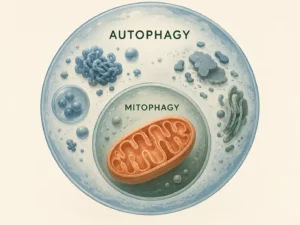
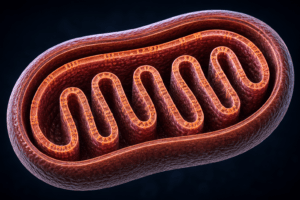
Inside cells, mitochondria help convert fuel and oxygen into ATP, which supports muscle contraction, nerve signaling, and blood-vessel function. In brown adipose tissue, often called brown fat, mitochondria can also produce heat directly through a process known as non-shivering thermogenesis.
Brown fat is more active in some people than others and usually contributes more to whole-body heat production than to the immediate temperature of the fingers and toes.
Mitochondria are therefore part of the heat-production side of the system, but they are not the only factors determining whether your hands and feet feel cold. The immediate sensation is often more directly shaped by vessel tone, skin temperature, nerve signaling, and the nervous system’s decision to conserve heat.
Cold hands and feet should not be thought of as a stand-alone test of mitochondrial function.
Mitozz
Mitozz is a nutraceutical developed by FMG Health Sciences containing 98% pure (−)-epicatechin. The compound has been studied in relation to mitochondrial signaling, vascular physiology, and energy metabolism.
Laboratory studies found that (−)-epicatechin activated endothelial nitric oxide synthase and increased nitric oxide production in human endothelial cells. Nitric oxide helps blood vessels relax and respond to changing blood-flow demands, supporting the delivery of oxygen and nutrients throughout the body. A small acute human trial also found short-term improvements in vascular responsiveness after (−)-epicatechin intake.
Preclinical research found that (−)-epicatechin promoted the browning of white adipose tissue, increasing brown-fat-like features associated with mitochondrial biogenesis and heat production.
Together, these findings support the relevance of (−)-epicatechin to mitochondrial function, vascular signaling, and the biological pathways involved in heat production.
When should cold hands or feet be checked?
Consider medical evaluation when:
- symptoms are new, persistent, or worsening
- fingers or toes repeatedly turn white, blue, or red
- episodes cause pain, numbness, or reduced function
- sores appear or heal slowly
- coldness occurs with marked fatigue, dizziness, or shortness of breath
- you experience burning, tingling, or reduced temperature sensation
Seek prompt medical attention if one hand or foot suddenly becomes much colder, paler, more painful, or more numb than the other, particularly if movement is affected.
These patterns do not point to one diagnosis, but they can justify a closer look at blood flow, nerve function, iron status, thyroid function, medications, or energy availability.
The bottom line
Cold hands and feet often reflect the body’s normal effort to conserve heat. But the details matter. Symptoms that are painful, one-sided, accompanied by strong color changes, numbness, unusual fatigue, or shortness of breath deserve medical evaluation.
Thermal comfort also depends on the broader system that produces, conserves, and distributes energy. Regular movement, adequate nutrition, consistent sleep, and sufficient recovery support mitochondrial function, muscle heat production, and normal vascular responses.
For a practical guide to supporting mitochondrial function through everyday habits, read How to Repair and Maintain Mitochondrial Health Naturally.
Compartilhe este artigo do blog
Referências
- Alba, B. K., Castellani, J. W., & Charkoudian, N. (2019). Cold-induced cutaneous vasoconstriction in humans: Function, dysfunction and the distinctly counterproductive. Experimental Physiology.
- Areta, J. L., Taylor, H. L., & Koehler, K. (2021). Low energy availability: History, definition and evidence of its endocrine, metabolic and physiological effects in prospective studies in females and males. European Journal of Applied Physiology.
- National Heart, Lung, and Blood Institute. Iron-deficiency anemia and peripheral artery disease resources.
- National Institute of Arthritis and Musculoskeletal and Skin Diseases. Raynaud’s phenomenon Diagnosis, and management.
- National Institute of Diabetes and Digestive and Kidney Diseases. Peripheral neuropathy.
- Ramírez-Sánchez, I., Maya, L., Ceballos, G., & Villarreal, F. (2010). (−)-Epicatechin activation of endothelial cell endothelial nitric oxide synthase, nitric oxide, and related signaling pathways. Hypertension.
- Varela et al. (2017). Browning effects of (−)-epicatechin on adipocytes and white adipose tissue, European Journal of Pharmacology
Compreender a saúde mitocondrial é um processo de longo prazo. É por isso que criamos o Mitozz : uma forma gratuita de continuar aprendendo sobre energia celular, saúde mitocondrial e os hábitos de vida que apoiam seu corpo ao longo do tempo. Você receberá conteúdo educativo com base científica, orientações práticas e novidades da Mitozz, tudo no seu próprio ritmo.
Inscreva-se no Mitozz da Mitozz
Obtenha informações com base científica sobre saúde mitocondrial, energia celular e hábitos de vida que contribuem para a saúde do seu corpo a longo prazo.
Aviso médico: As informações fornecidas neste artigo têm caráter exclusivamente educativo e informativo, não constituindo orientação médica. Não substituem o diagnóstico, o tratamento ou a orientação de um profissional de saúde. Consulte sempre um profissional de saúde qualificado antes de fazer alterações em sua dieta, rotina de exercícios, práticas de jejum ou uso de suplementos, especialmente se você tiver alguma condição médica, estiver grávida ou amamentando, ou estiver tomando medicamentos.
Isenção de responsabilidade da FDA: Estas declarações não foram avaliadas pela Food and Drug Administration. Elas não se destinam a diagnosticar, tratar, curar ou prevenir qualquer doença.